Start here: this article is part of our selling your home collection. For the full picture, read our complete guide, How to Sell Your House Fast: The Complete Homeowner's Guide.
Quick answer: Selling a house with asbestos is legal in most cases when you disclose what you know and do not disturb suspect material. Testing typically costs a few hundred dollars and abatement can run from about $1,500 to $20,000+ (illustrative ranges). SilverCrest Estates can make an as-is offer, so you can compare that net against abating first.
- Leave suspect pipe wrap, floor tile, siding or ceiling texture undisturbed until tested.
- Hire an accredited asbestos professional, not a general contractor, to sample and report.
- Compare written nets: abate and list, sell with a credit, or sell as-is.
General education, not legal, medical or environmental advice. Disclosure rules vary by state and are flagged for attorney review.
Is it legal to sell a house with asbestos?
Yes. No federal rule bans selling a single-family home that contains asbestos, and many homes built before the 1980s still do. What matters is that you disclose known conditions honestly on your state's form and avoid creating a hazard while preparing the sale.
Asbestos was used for decades in insulation, flooring, roofing, siding and textured coatings. The EPA's overview of asbestos explains that the main health risk comes from breathing fibers released when material is damaged or disturbed. Intact, undamaged material is often lower risk than material that is crumbling or being torn out.
That distinction drives your sale plan. A buyer's inspector may note "suspected asbestos-containing material" without testing it. That note is a flag, not a diagnosis, and it should prompt a proper sample rather than panic or a quick do-it-yourself removal.
Where asbestos shows up in older homes
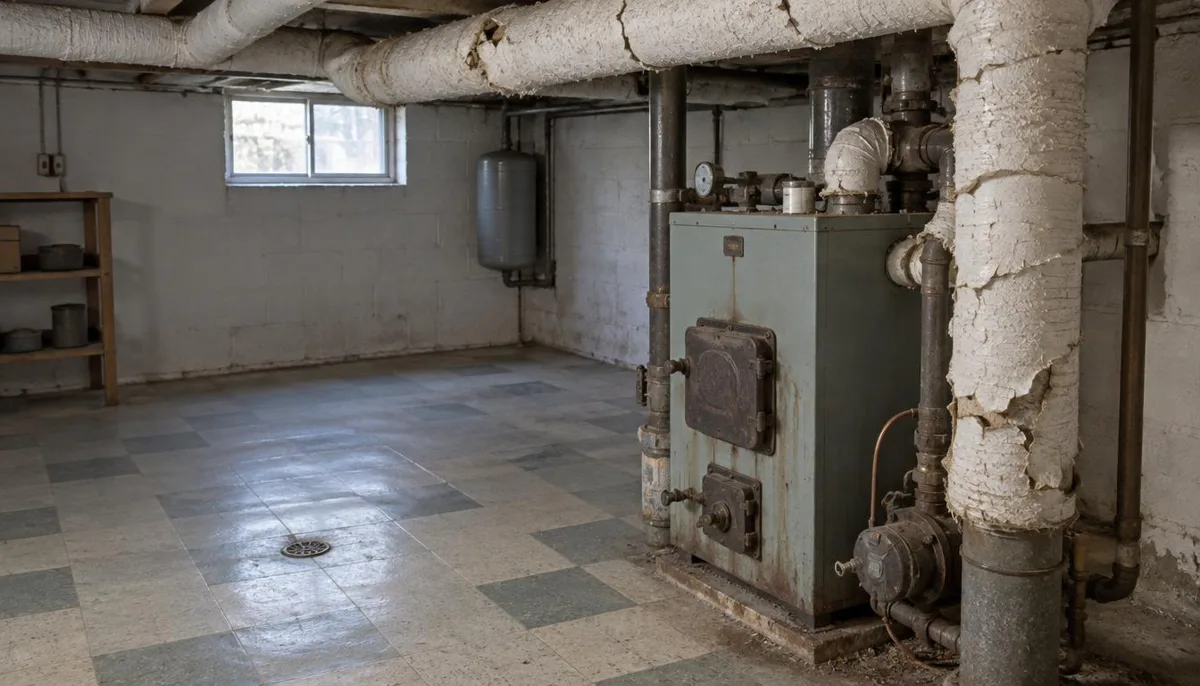
Asbestos-containing material (ACM) most often appears in a handful of predictable places. Knowing them helps you answer buyer questions and point an inspector to the right spots.
The EPA's homeowner guidance lists common locations, including:
- Pipe lagging and boiler insulation — white or gray wrap on heating pipes in basements.
- Vinyl floor tiles — especially 9-inch by 9-inch tiles and the black mastic beneath them.
- Popcorn ceilings — sprayed acoustic texture applied before the mid-1980s.
- Vermiculite attic insulation — pebble-like, gray-brown loose fill.
- Cement siding and roofing shingles — rigid panels that can release fibers if cut or broken.
Friable vs non-friable material
Friable material can be crumbled by hand pressure; non-friable material is bound in cement, vinyl or asphalt. Friable pipe wrap and damaged insulation are the items buyers and lenders worry about most, because they release fibers more easily. Non-friable tile under carpet may simply be documented and left alone.
Should you test for asbestos before selling?
Test when you see suspect material that is damaged, or when you plan any repair that would disturb it. A lab result replaces guesswork for you, the buyer and every contractor who quotes the job.
Use a trained, accredited inspector. The EPA's page on asbestos professionals explains the difference between inspectors who sample, and abatement contractors who remove or repair. Hiring separate firms avoids a conflict of interest where the company that finds asbestos also profits from removing it.
Ask for a written report listing each sample location, the material type, the lab result and the condition rating. Keep it with your disclosure packet. If results come back negative, that document can calm a nervous buyer as quickly as a positive result can raise questions.
No federal rule bans selling a single-family home that contains asbestos, and many homes built before the 1980s still do.
Abate, encapsulate or sell as-is: compare the options
There are three realistic paths, and the right one depends on the scope, your cash and your timeline. Price each in writing before deciding.
Selling a house with asbestos: decision sequence
- 1
Don't disturb
Leave suspect material alone.
- 2
Test & inspect
Use an accredited professional.
- 3
Price the scope
Abate, encapsulate or sell as-is.
- 4
Disclose & close
Share reports; compare nets.

Decision sequence for sellers; an as-is sale still requires honest disclosure.
| Path | What it involves | Best when |
|---|---|---|
| Abatement | Licensed removal with containment and disposal | Damaged friable material or planned renovation |
| Encapsulation | Sealing or enclosing intact material | Material is sound and buyer accepts the approach |
| As-is sale | Disclose and price the condition | You lack cash or time for remediation |
Worked example: which path nets more?
Illustrative numbers only. Suppose a repaired listing would sell for $280,000. Abating basement pipe wrap and tile costs $9,000, holding costs while work and listing proceed add $5,000, and agent commission plus seller closing costs total $19,000. Net before mortgage payoff: $280,000 − $9,000 − $5,000 − $19,000 = $247,000.
An as-is cash offer of $242,000 with $2,000 in seller costs nets $240,000. Listing wins by $7,000 here, but only if abatement stays on budget and a financed buyer closes. If the abatement quote doubles or the buyer's lender stalls, the gap closes or reverses. Run your own numbers with real quotes.
Who can legally remove asbestos from a house?
In many states homeowners may do limited work on their own single-family home, but rules on licensing, notification and disposal still apply, and the safest choice is a licensed abatement contractor. Sale-related removal by hired contractors is regulated work.
The federal asbestos National Emission Standards for Hazardous Air Pollutants (NESHAP) set work-practice and disposal rules for many demolition and renovation projects, and states and localities add their own licensing and notice requirements. Ask your contractor which apply and get the waste-disposal paperwork for your file.
Never sand, scrape, drill or power-wash suspect material to "clean it up" before showings. That can release fibers, contaminate the home and turn a manageable disclosure into a costly cleanup.
What to disclose about asbestos when selling
Disclose any asbestos you know about, including test results and past removal, on your state's seller disclosure form. "As-is" wording limits repair promises; it does not erase a duty to disclose known material facts where your state requires it.
Asbestos has no single federal home-sale disclosure form. That is different from lead-based paint: for most homes built before 1978, federal rules require a specific lead disclosure and pamphlet, explained on the EPA's lead real estate disclosure page. If your home is old enough to have asbestos, check whether the lead rule applies too.
Provide copies of inspection reports, lab results, abatement contracts and clearance documents. If you never tested, say so rather than guessing. Our seller disclosure guide covers assembling the broader packet, and your agent or attorney should confirm the correct form for your state.
How asbestos affects buyers, appraisals and financing
Financed buyers face more friction than cash buyers when inspectors flag damaged material. A lender or appraiser may require repair of damaged friable material before closing, while intact material often passes with documentation.
That is why a home with damaged pipe wrap may draw fewer offers, more repair requests or price reductions during the inspection period. Buyers often ask for a credit roughly equal to the highest abatement quote they find. Having your own accredited report and a written contractor quote gives you a factual anchor for that negotiation instead of a fear-driven number.
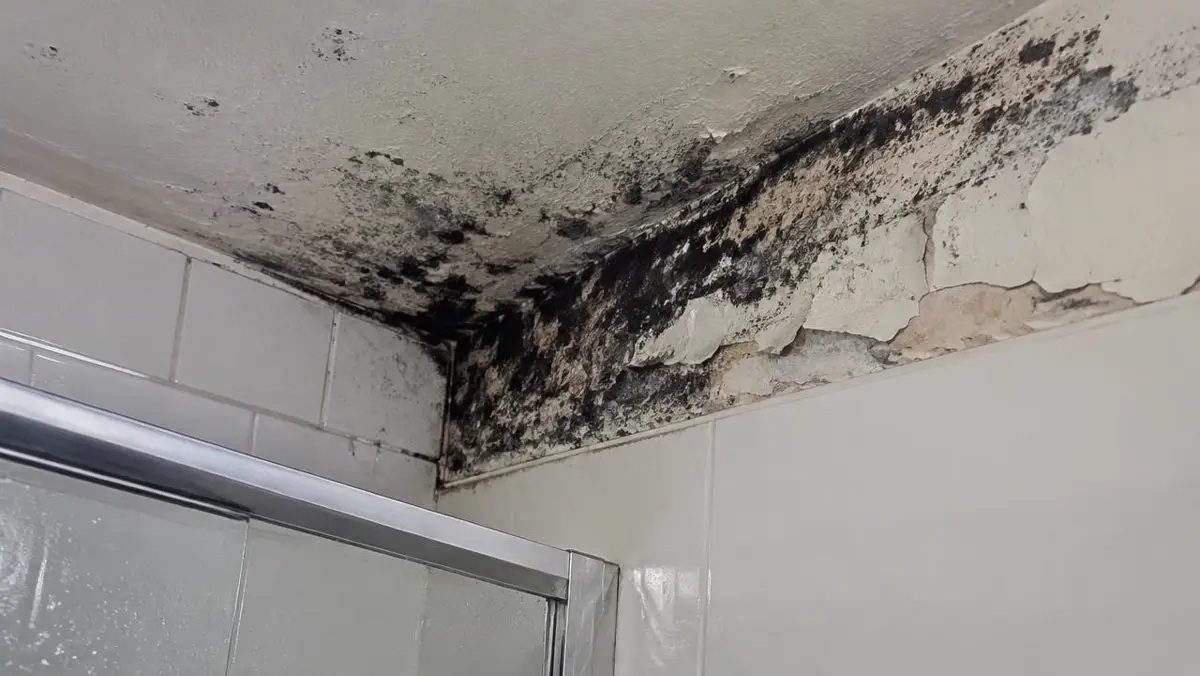
If the home also has moisture or mold near old insulation, see our mold guide; combined issues usually need separate professionals. For broader condition problems, our major-repairs guide compares repair-and-list against selling in current condition.
When a cash sale may not be your best option
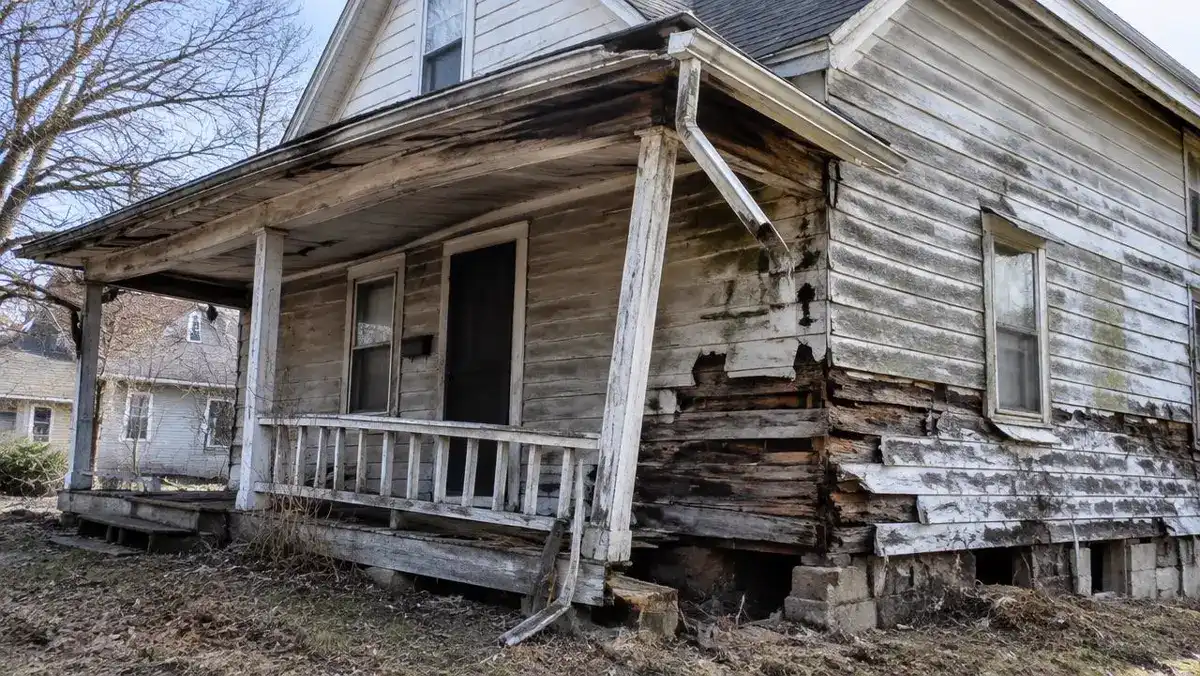
A cash sale is not automatically the better choice. If your asbestos is limited, intact and inexpensive to encapsulate, and your home is otherwise move-in ready, listing with an agent may net more, especially in a strong local market.
Consider listing if you have the cash for abatement, flexible timing and a quote that is small relative to your home's value. Compare against our cash offer vs listing guide using written numbers, not estimates.
SilverCrest Estates buys houses in their current condition, including homes with documented asbestos. Close in as little as 21 days when title and transaction requirements allow. Start with a no-obligation cash offer and compare it side by side with your abatement-and-list net.
Key takeaways
- Asbestos does not prevent a sale; disturbing it carelessly creates the real problem.
- Test with an accredited inspector before pricing repairs or responding to buyer requests.
- Compare abatement, encapsulation and as-is paths using written quotes and full net math.
- Disclose known asbestos and supply reports; check whether the separate lead rule applies.
Frequently asked questions
Do I have to remove asbestos before selling my house?
Generally no. Most sellers are not required to remove intact asbestos before a sale, but you should disclose what you know, and a buyer's lender may require repair of damaged friable material.
How much does asbestos testing cost?
Testing often costs a few hundred dollars depending on the number of samples and your area. Get a written quote from an accredited inspector before scheduling.
Can I sell a house with asbestos as-is?
Yes. An as-is sale lets you skip abatement while disclosing the known condition. Compare the as-is net against the cost of abating and listing.
Sources & further reading
Primary sources we consulted for this article. Rules vary by state and change over time — always confirm against the original source.
- 1
- 2Protect your family from exposures to asbestos
U.S. Environmental Protection Agency
Common household locations and do's and don'ts.
- 3Asbestos professionals
U.S. Environmental Protection Agency
Inspector versus abatement contractor roles.
- 4
- 5Real estate disclosures about potential lead hazards
U.S. Environmental Protection Agency
Separate federal lead rule for most pre-1978 homes.

About the author
David Park
Seller Success Manager
David Park works with the SilverCrest Estates acquisitions team, helping homeowners across 50+ US markets understand their options and close on their own timeline.
Disclaimer: This article is for general information only and is not legal, tax, or financial advice. Real estate rules vary by state and change over time. Consult a licensed attorney, tax professional, or financial advisor about your specific situation before acting.