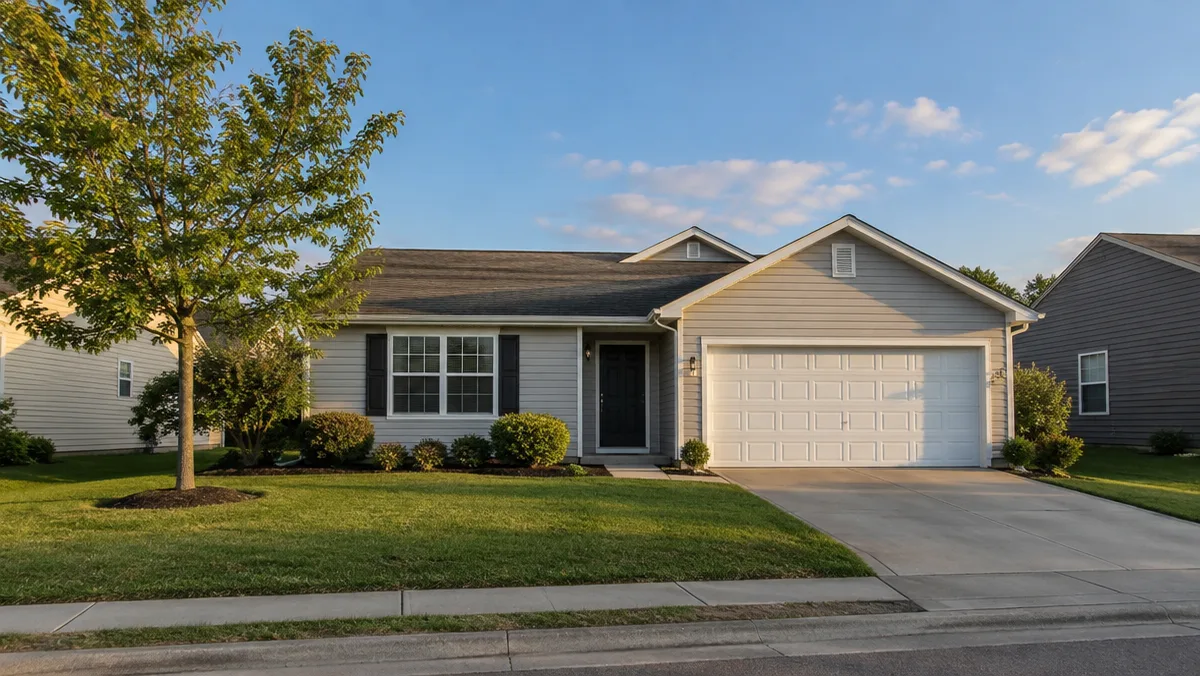

Definition
Cash for keys is a voluntary agreement in which an owner pays an occupant, often a tenant, a relative, or someone left in an inherited house, a set amount to move out by an agreed date and hand over the keys. It is usually faster, less expensive, and less stressful than a formal eviction, and it avoids an eviction record for the occupant. A good agreement is in writing and states the move-out date, the payment amount, the condition the home should be left in (often broom-clean), what happens to belongings left behind, and that payment is made at move-out after a walkthrough rather than in advance. It should also confirm the occupant is surrendering possession voluntarily. Some cities have tenant-protection laws, such as relocation requirements or rules about buyout agreements, so check local rules. Cash for keys is especially useful when selling a home that needs to be delivered vacant.
Real seller example
Thomas Reed wanted to sell a rental, but his month-to-month tenant hadn't found a new place, and an eviction could take months in his county. He offered the tenant a written cash-for-keys agreement: a set payment, a move-out date 30 days out, the home left broom-clean, and payment handed over at the final walkthrough. The tenant moved out two days early. Thomas paid at the walkthrough, changed the locks, and closed his sale vacant on schedule without a court case.
Frequently asked questions
Yes, as a voluntary agreement. Some cities regulate tenant buyouts, so check local rules.
It depends on local moving costs, rents, and how long an eviction would take. It's a negotiation, not a fixed rate.
Generally no. Paying at move-out after a walkthrough protects you.
Move-out date, payment amount, condition of the home, handling of belongings, and voluntary surrender of possession.
Yes. It's often a gentler way to resolve occupancy before an estate sale.
Yes. We buy tenant-occupied homes and can work around occupancy timelines.