Start here: this article is part of our cash offers collection. For the full picture, read our complete guide, What Is a Fair Cash Offer for My House? How to Know If You're Getting a Good Deal.
Quick answer: A cash offer closes fast (21 days) with no repairs, showings, or commissions but comes in below full retail; listing with an agent can fetch a higher price but takes 60–120 days with fees and uncertainty. Compare net proceeds, not sticker price — SilverCrest Estates gives a free cash offer so you can weigh both.
Days to close: cash offer vs. listing
Choosing between a cash offer and a traditional listing is the biggest decision most home sellers face. One trades top-dollar potential for time and effort; the other trades a little price for speed and certainty. This visual guide breaks down exactly how the two paths compare so you can pick the right one for your situation.
The Two Paths at a Glance
A traditional listing puts your home on the open market with an agent, aiming for the highest possible price. A cash offer comes from a direct buyer who purchases as-is, fast, without financing. Neither is universally "better" — they solve different problems.
| Factor | Traditional Listing | Cash Offer |
|---|---|---|
| Time to close | 60–120 days | As little as 21 days |
| Sale price | Highest potential | Below retail |
| Repairs | Usually required | None |
| Showings | Many | None |
| Commissions | 5–6% | $0 |
| Closing costs | 2–3% | Often $0 |
| Certainty of closing | ~80% (financing can fall through) | Very high |
Path 1: The Traditional Listing
Listing works best for a move-in-ready home when you have time and want the highest price. You'll typically prep and stage the home, price it against recent comparable sales, host showings, and negotiate offers — most of which are financed and carry an appraisal and inspection contingency.
The upside is real: you're exposed to the full buyer pool and can attract competitive bids. The trade-offs are time, effort, and uncertainty — a financed buyer can still fall through late, and every month on the market is another month of carrying costs. For the full method, see how to price your home to sell fast.
Path 2: The Cash Offer
A cash offer removes the parts of a sale that create delay and risk: no lender, no appraisal gap, no repair demands, no showings. You get a firm number and choose your own closing date — often within a week or two.
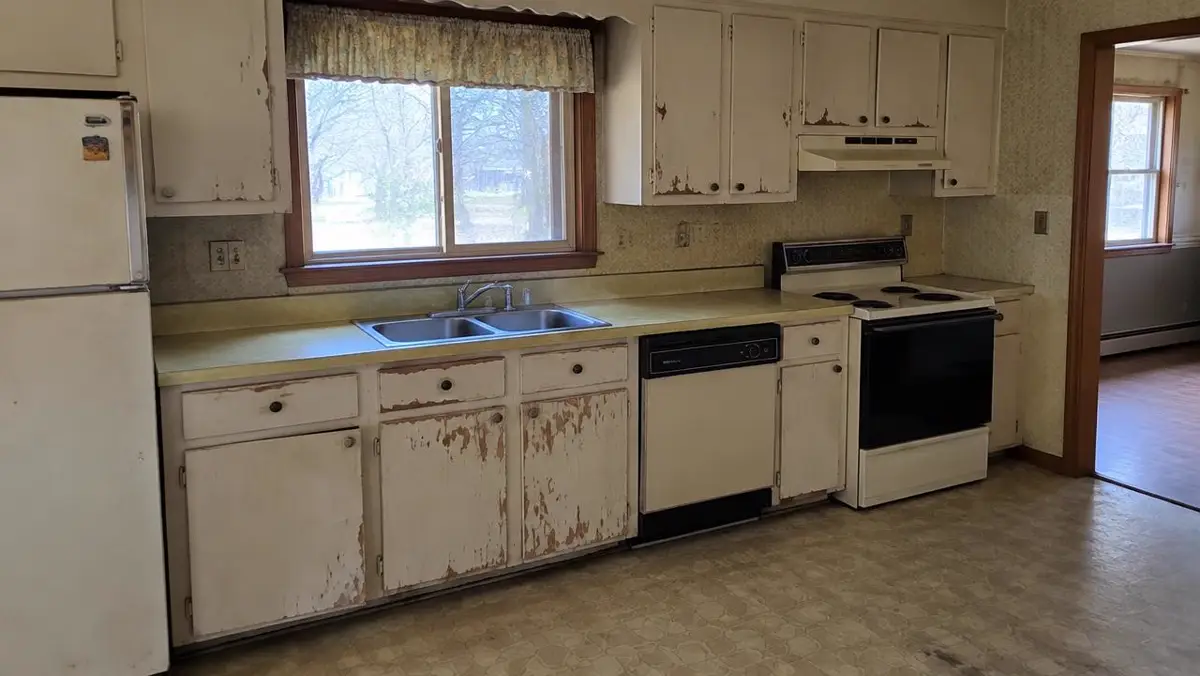
The trade-off is price: a direct buyer prices from after-repair value minus repairs, holding costs, and a margin, so the offer comes in below full retail. In exchange, you get speed, certainty, and zero cost or effort. It's ideal when the home needs work, when you're on a deadline, or when you simply value a guaranteed close over squeezing out the last few percent.
Say your home would list at $320,000 but needs $18,000 of work to show well.
How to Decide
Ask yourself three questions:
- How fast do you need to sell? Under 30 days points to a cash offer; 90+ days gives room to list.
- What condition is the home in? Needs major work → cash offer; move-in ready → listing.
- How much does certainty matter? Must-close-by-a-date → cash offer; flexible → listing.
Don't Compare Price — Compare Net Proceeds
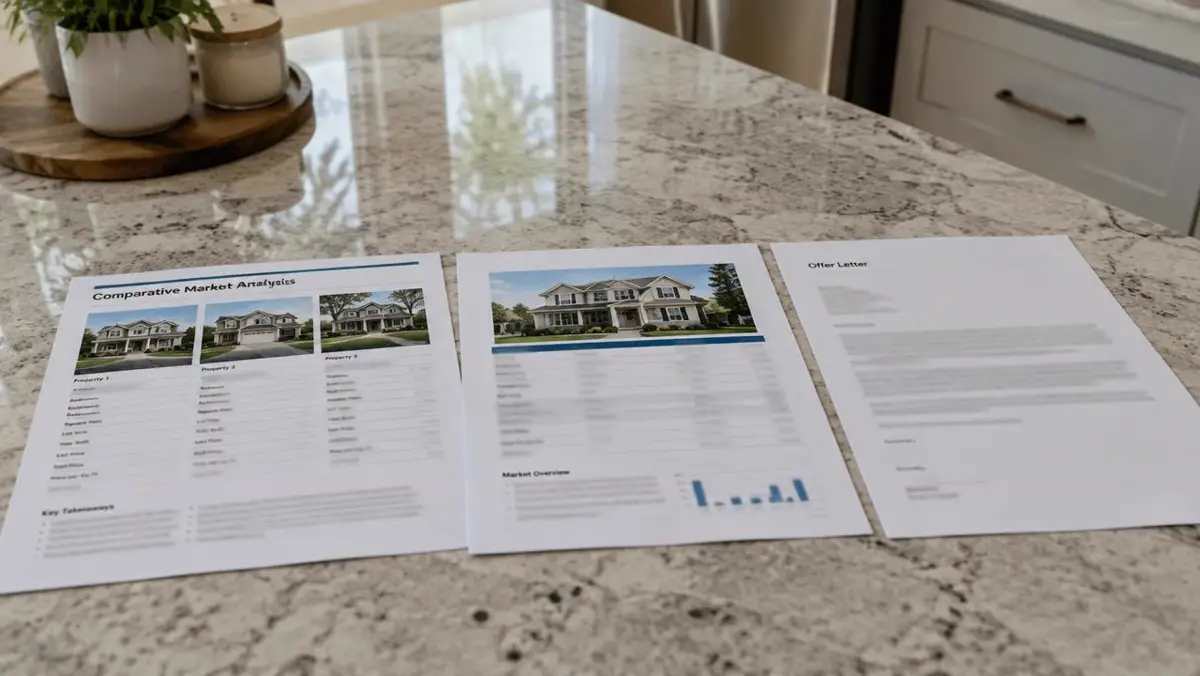
The most common mistake is comparing a listing's sticker price to a cash offer. The honest comparison is net proceeds: from a listing, subtract commissions (5–6%), closing costs, repairs, staging, and months of carrying costs; from a cash sale, subtract almost nothing. Once every cost is on the table, the gap is usually far smaller than sellers expect — and sometimes the cash number wins outright.
A Real Net-Proceeds Example
Say your home would list at $320,000 but needs $18,000 of work to show well. On the listing path you might subtract 5–6% commission ($17,600), ~2% closing costs ($6,400), the $18,000 in repairs, and three months of carrying costs (mortgage, taxes, insurance, utilities — often $6,000+). If it also takes a modest price cut to sell, your net can land around $255,000–$265,000 — four to five months out, with showings and uncertainty along the way.
A direct cash offer on the same home might come in around $270,000 — below the $320,000 sticker, but with no commission, no repairs, no closing costs on your side, and a close in as little as 21 days. Net to net, the "lower" cash number is often within a few thousand dollars of the listing outcome, arrives months sooner, and carries none of the fall-through risk. That's the comparison that actually matters — not sticker vs. offer, but net proceeds and certainty side by side.
When a cash sale may not be your best option
A cash sale trades some price for speed and certainty, and that trade isn't right for everyone. If your home is move-in ready, you have three or more months before you need to move, and your goal is the highest possible price, listing with a good agent will often net more. The same is true in a low-inventory market where updated homes draw multiple offers. Run both numbers side by side — our cash vs. listing comparison and closing cost calculator show the math — and choose the path with the better net for your timeline. SilverCrest Estates will tell you plainly when listing looks like the better fit.
Five questions that pick the path for you
- Can the house pass a lender's inspection? If not, many financed buyers can't purchase it as-is.
- How many months can you carry it? Multiply your monthly costs by the expected time to sell.
- Is there a hard deadline? Job starts, court dates, and foreclosure auctions don't move.
- How much repair money do you have? Repairs funded with credit cards or loans cut into your profit.
- How much do showings disrupt your life? Kids, pets, tenants, and work schedules all matter.
If you answered "no," "not long," "yes," "little," and "a lot," a cash offer usually wins. The reverse points to listing. Mixed answers? Get both numbers in writing and compare them in our net proceeds calculator.
What both paths have in common
Whichever you choose, you'll sign a purchase contract, complete required disclosures, and close through a title company or attorney who handles payoffs and recording. Your mortgage is paid from the proceeds either way. The differences are who the buyer is, how they pay, and how many steps stand between the contract and your money.
Getting both numbers
Request a written cash offer and an agent's net estimate in the same week. Then you're comparing two real figures, not guesses.
What to do this week
Answer the five questions above honestly, get a written cash offer, and ask an agent for a net estimate. Put both numbers in our calculator. You'll know which path is right within days.
Key points to remember
- Compare net proceeds, not list price versus offer.
- Listing usually nets more for move-in-ready homes with time to sell.
- Cash usually wins for homes needing work or sellers on deadlines.
- Holding costs and failed deals belong in the comparison.
- Get both numbers in writing before deciding.
The Bottom Line
List when your home shows well, you have time, and price is the priority. Take a cash offer when speed, certainty, or condition matter more. The smartest move costs nothing: get a free cash offer, then compare its net proceeds against a realistic listing scenario before you decide. SilverCrest Estates gives you a firm, no-obligation number — see what your home is worth.
Related Guides
- Who Buys Houses for Cash Fast?
- What Is a Fair Cash Offer for My House?
- How Much Is My House Worth?
- Glossary: cash offer
Key Takeaways
- List when the home shows well, you have time, and top price is the priority.
- Take a cash offer when speed, certainty, or condition matter more.
- Compare net proceeds, not sticker vs. offer — commissions, repairs, and carrying costs close most of the gap.
- The smartest move costs nothing: get a free offer and compare it against a realistic listing scenario. See what your home is worth.
Frequently asked questions
Is a cash offer always lower than a listing price?
The headline number is usually lower, but the comparison that matters is net proceeds. Once commission, repairs, credits and carrying costs come out of a listing, the two paths often land within a few thousand dollars of each other.
How fast can a cash sale actually close?
Because there is no lender underwriting, closing is limited mainly by title work. Most direct cash sales close in as little as 21 days, and you pick the date.
Do I need to make repairs before a cash sale?
No. A direct buyer prices the home in its current condition, so you can leave repairs, cleanouts and unwanted items behind.
What costs do I still pay in a cash sale?
You still pay off your mortgage, any liens, and prorated property taxes. Agent commission, pre-list repairs and inspection credits generally go away.
Sources & further reading
Primary sources we consulted for this article. Rules vary by state and change over time — always confirm against the original source.
- 1Buying and selling a home
Consumer Financial Protection Bureau
Federal guidance on the home sale and closing process.
- 2
- 3Find a HUD-approved housing counseling agency
U.S. Department of Housing and Urban Development
Free, independent advice before you accept any offer on your home.

About the author
Marcus Johnson
Seller Success Manager
Marcus Johnson works with the SilverCrest Estates acquisitions team, helping homeowners across 50+ US markets understand their options and close on their own timeline.
Disclaimer: This article is for general information only and is not legal, tax, or financial advice. Real estate rules vary by state and change over time. Consult a licensed attorney, tax professional, or financial advisor about your specific situation before acting.