Start here: this article is part of our selling your home collection. For the full picture, read our complete guide, How to Sell Your House Fast: The Complete Homeowner's Guide.
Quick answer: Yes, you can sell a house in a flood zone. Federal rules make lenders require flood insurance on mortgaged homes in FEMA's high-risk Special Flood Hazard Areas, and states such as Texas, Florida and New York require written flood disclosures. Check your FEMA zone, gather insurance and claim records, then disclose. SilverCrest Estates buys flood-zone homes as-is.
- Look up your property's zone on FEMA's Flood Map Service Center.
- Gather your flood policy, premium, elevation certificate and any claim or FEMA assistance records.
- Complete your state's flood disclosure before the buyer signs, then compare offers.
General education, not legal or insurance advice. State disclosure statutes are flagged for attorney review.
Can you sell a house in a flood zone?
Yes. Being mapped in a flood zone affects who can buy, what it costs them to insure and what you must disclose, but it doesn't prevent a sale. The practical questions are the zone, the insurance cost a buyer will face and your flood history.
What does "flood zone" actually mean?
FEMA's flood zone definitions describe three broad groups on a Flood Insurance Rate Map. Special Flood Hazard Areas are land with a 1-percent chance of flooding in any given year, the "100-year flood," labeled with zones that start with A or V. Moderate-hazard areas are Zone B or shaded Zone X, between the 100-year and 500-year flood limits. Minimal-hazard areas are Zone C or unshaded Zone X. See our flood zone glossary entry for the short version.
| FEMA zone label | Risk group | What it means for a buyer |
|---|---|---|
| A, AE, AH, AO, A99, AR, V, VE | High risk (Special Flood Hazard Area) | Lenders require flood insurance on most mortgages |
| B or X (shaded) | Moderate risk | Insurance usually optional; some lenders still ask |
| C or X (unshaded) | Minimal risk | Insurance optional; floods can still happen |
Why lenders require flood insurance
Under the Flood Disaster Protection Act, codified at 42 U.S.C. 4012a, regulated lenders may not make, increase, extend or renew a loan secured by a building in a Special Flood Hazard Area, where flood insurance is available, unless the building is covered by flood insurance. Federal banking rules such as 12 CFR Part 22 carry that requirement into lending.
That means a financed buyer of a high-risk-zone home must buy flood insurance before closing. FEMA's questions and answers for real estate professionals adds that some lenders require it outside those areas too, and that understanding a lender's requirement before purchase helps prevent closing delays. The same FEMA brochure notes that from 2014 to 2024, almost one-third of National Flood Insurance Program claims came from outside current high-risk areas.
How flood insurance cost affects your sale price
Buyers price the annual premium into what they can pay. A quote of a few thousand dollars a year changes a payment the way a higher tax bill does. The fastest fix is information: share your current premium, policy declarations page and any elevation certificate so buyers can get quotes early. Ask your insurer how an existing National Flood Insurance Program policy can be transferred to a buyer at closing; FEMA's Flood Insurance Manual sets the rules.
Flood disclosure laws: Texas, Florida and New York
Flood disclosure is state law, and three large states now spell it out.
Texas. The Texas Real Estate Commission's Seller's Disclosure Notice (TREC No. 55-1) carries the disclosures required by Section 5.008 of the Texas Property Code. It asks whether the property is wholly or partly in a 100-year floodplain, a 500-year floodplain, a floodway, a flood pool or a reservoir; whether you have flood insurance; whether there's been previous water penetration from a natural flood event; whether you've ever filed a flood claim, including with the NFIP; and whether you've received FEMA or Small Business Administration assistance for flood damage. Selling in Texas? See our Texas page.
Florida. Under Florida Statutes section 689.302, effective October 1, 2024, a seller of residential property must give the buyer a flood disclosure at or before the time the contract is executed. It states whether you know of flooding that damaged the property during your ownership, whether you filed a flood insurance claim, including with the NFIP, and whether you received flood-damage assistance, including from FEMA. Selling in Florida? See our Florida page.
New York. Real Property Law section 462 requires a Property Condition Disclosure Statement before the buyer signs. The New York Department of State announced that, effective March 20, 2024, sellers can no longer skip the form by giving a $500 credit, and the revised form includes flood questions. Selling in New York? See our New York page.
What if you're not in a high-risk zone but the house has flooded?
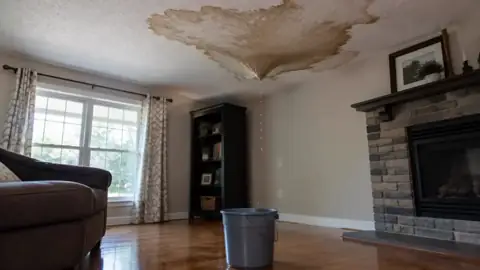
Disclose the flooding anyway where your state form asks about known water intrusion or past claims, which most do. A buyer's insurer or claim-history report can surface prior claims, and an undisclosed claim invites a dispute later.
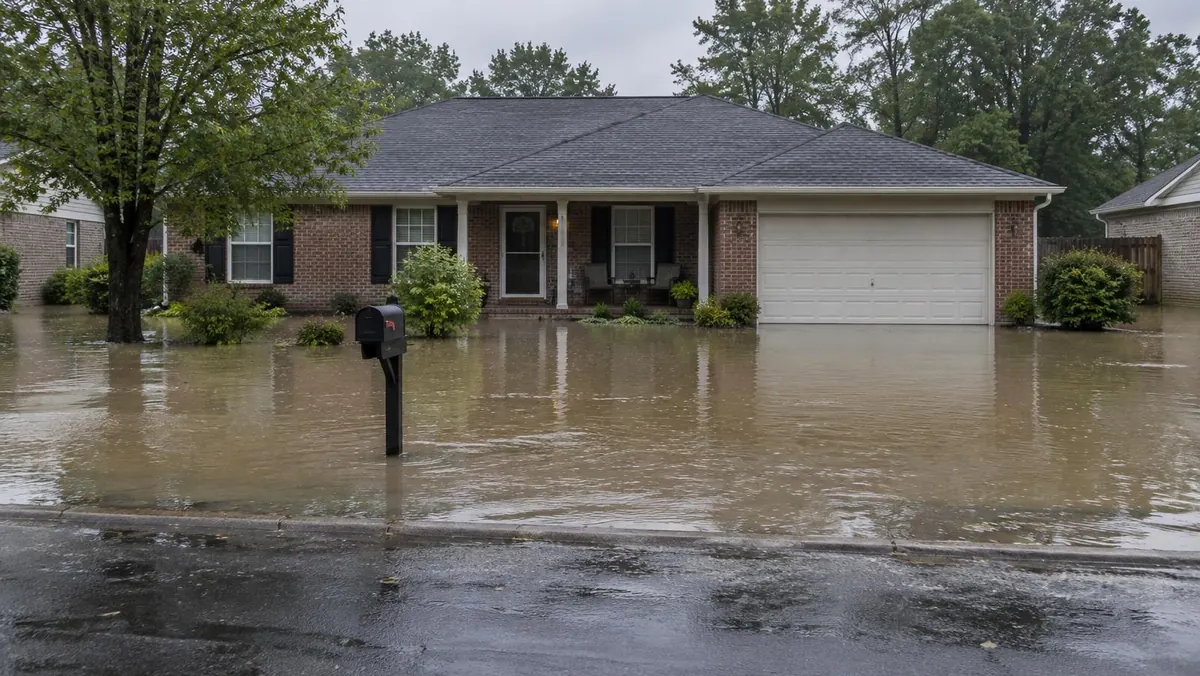
Special Flood Hazard Areas are land with a 1-percent chance of flooding in any given year, the "100-year flood," labeled with zones that start with A or V.
How to sell a house in a flood zone
Selling a house in a flood zone: seller sequence
- 1
Check the zone
Look up the FEMA flood map.
- 2
Gather records
Policy, premium, claims, elevation.
- 3
Disclose
State flood form before signing.
- 4
Price and choose
List, credit or sell as-is.
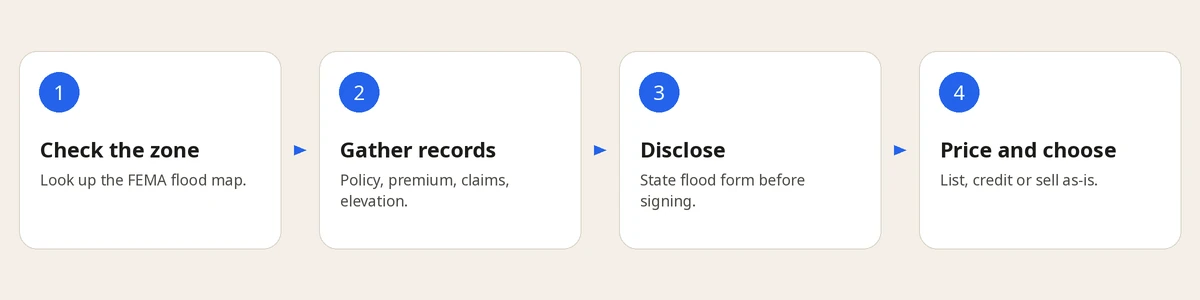
Seller sequence for flood-zone homes; state rules can add steps.
- Search your address on FEMA's Flood Map Service Center and save the map panel.
- Find your declarations page, premium history and any elevation certificate.
- List flood events, claims and any FEMA or SBA assistance with dates and amounts.
- Fill out your state's form from those records, then compare offers on net proceeds.
Worked example: list, credit or sell as-is?
Illustrative numbers only. A house in Zone AE would list at $310,000. Its flood premium is $3,200 a year, so the agent suggests pricing at $300,000 to stay competitive with homes in Zone X. With 6% selling costs ($18,000) and $4,000 of holding costs over a longer marketing period, the net before mortgage payoff is $278,000.
An as-is cash offer of $285,000 with $1,800 in costs nets $283,200, without showings or a financing contingency tied to an insurance quote. In this example cash nets about $5,200 more; in a strong market or a cheaper insurance zone, listing could easily win instead. Run your own numbers.
When a cash sale may not be your best option
A cash sale is not always the better choice. If the house has never flooded, the premium is modest, the home is move-in ready and you have time, listing with a clean disclosure may net more.
Consider listing when insurance quotes come back reasonable and buyers in your area are active. Compare written numbers with our cash offer vs listing guide. If past flooding left damage, see selling a house with water damage and our fire, storm and water damage page.
SilverCrest Estates buys homes in flood zones in as-is condition, with no elevation work or repairs required first, and you still complete your state's disclosure. Close in as little as 21 days when title and transaction requirements allow. Request a no-obligation cash offer and compare it with your listing net.
Key takeaways
- A flood zone doesn't stop a sale; insurance cost and disclosure shape the price.
- Zones starting with A or V are high-risk; lenders require flood insurance there.
- Texas, Florida and New York require written flood disclosures before signing.
- Share your premium, claims history and elevation certificate early.
- Our seller disclosure guide covers the rest of the packet.
Frequently asked questions
Can you sell a house in a flood zone?
Yes. A flood zone affects the buyer's insurance cost and your disclosure, not your right to sell. Share your zone, premium and claim history early.
What does "flood zone" actually mean?
FEMA maps high-risk Special Flood Hazard Areas (zones starting with A or V, a 1% annual flood chance), moderate-risk Zone B or shaded X, and minimal-risk Zone C or unshaded X.
How do you sell a house in a flood zone?
Check your FEMA zone, gather your policy, premium, elevation certificate and claim records, complete your state's flood disclosure before signing, then compare offers on net proceeds.
What if you're not in a high-risk zone but the house has flooded?
Disclose it where your state form asks about water intrusion or past claims. Prior claims can surface in insurance records, and undisclosed flooding invites disputes.
Sources & further reading
Primary sources we consulted for this article. Rules vary by state and change over time — always confirm against the original source.
- 1Flood Zones (glossary)
Federal Emergency Management Agency
Special Flood Hazard Area, moderate and minimal hazard zone labels.
- 242 U.S.C. 4012a, Flood insurance purchase and compliance requirements
U.S. Government Publishing Office
Lenders may not lend on SFHA buildings without flood insurance.
- 312 CFR Part 22, Loans in Areas Having Special Flood Hazards
Legal Information Institute, Cornell Law School
Banking rule implementing the flood insurance requirement.
- 4Questions & Answers: Flood Insurance for Real Estate Professionals
FEMA National Flood Insurance Program
Lender requirements and claims outside high-risk areas, 2014 to 2024.
- 5Florida Statutes 689.302, Disclosure of flood risks to prospective purchaser
Florida Legislature
Florida flood disclosure form and timing.
- 6Seller's Disclosure Notice (TREC No. 55-1)
Texas Real Estate Commission
Texas floodplain, flood insurance and flood claim questions under Property Code 5.008.
- 7New York Real Property Law section 462
New York State Senate
Property Condition Disclosure Statement requirement.
- 8Flood Insurance Manual (October 2025)
FEMA National Flood Insurance Program
NFIP policy rules, including transfer when a home is sold.

About the author
Jennifer Martinez
Real Estate Transaction Specialist
Jennifer Martinez works with the SilverCrest Estates acquisitions team, helping homeowners across 50+ US markets understand their options and close on their own timeline.
Disclaimer: This article is for general information only and is not legal, tax, or financial advice. Real estate rules vary by state and change over time. Consult a licensed attorney, tax professional, or financial advisor about your specific situation before acting.