Start here: this article is part of our distressed sales collection. For the full picture, read our complete guide, Can You Sell a House With Foundation Problems? Your Complete Guide.
Quick answer: You can sell a house with water damage, either after repairs or as-is. You'll need to disclose known damage, prior claims, and flood history, and you should stop active leaks and document everything. Financed buyers often struggle with active damage or mold, so many owners sell directly to a cash buyer like SilverCrest Estates, who buys water-damaged homes as-is and can close in as little as 21 days.
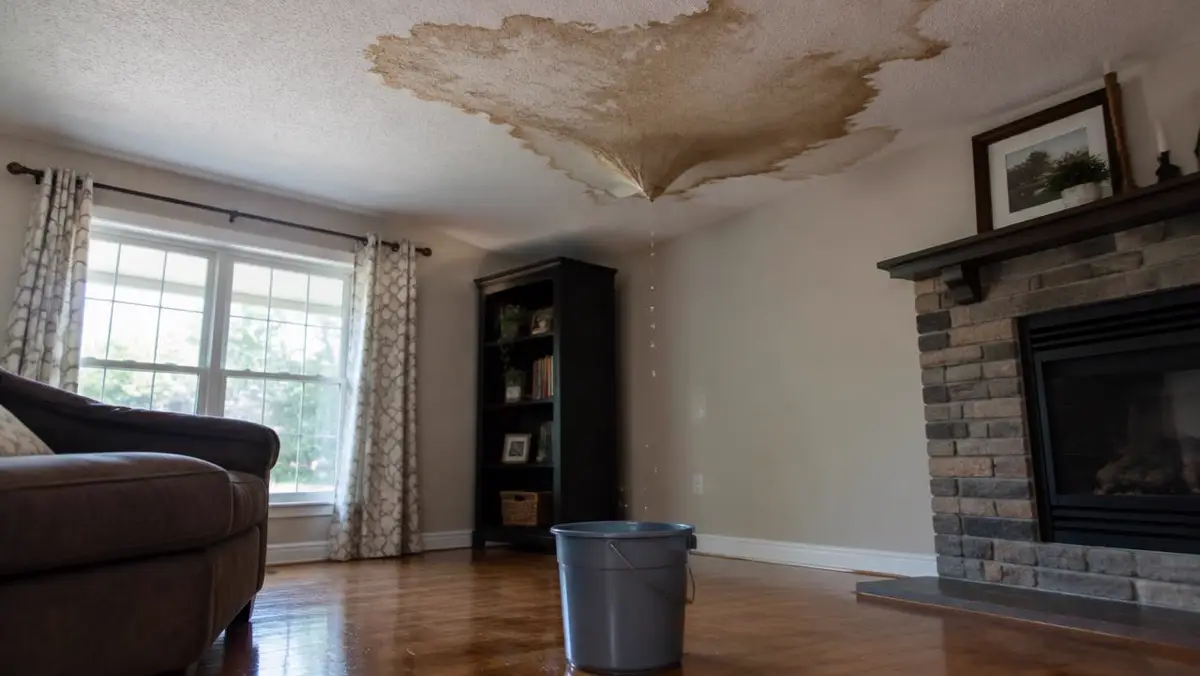
Water damage is rarely just a stain. Wet drywall can grow mold within a day or two, subfloors can soften, and wiring near the water becomes a safety issue. The longer it sits, the more the repair grows — which is why acting quickly, whichever way you go, protects your equity.
First 48 hours: protect the house and your claim
- Stop the source. Shut off water at the main if a pipe burst; tarp a roof leak.
- Document it. Photos and video of every affected room before anything is moved.
- Call your insurer. Ask what's covered. Sudden events like a burst pipe are often covered; slow leaks and flooding from outside often aren't under a standard policy.
- Dry it out. Remove standing water and run fans or dehumidifiers. Moisture left in walls invites mold.
- Keep receipts for emergency mitigation; they're usually part of the claim.
Flood damage is a separate category
Standard homeowner's policies generally exclude flooding from rising water. That's covered by flood insurance, typically through the National Flood Insurance Program. Buyers will check FEMA flood maps, and if the home is in a Special Flood Hazard Area, a financed buyer's lender will require flood insurance — which can affect what they're willing to pay.
What you have to disclose
Disclosure rules vary by state, but most require sellers to disclose known material defects. Water-related items commonly on state forms include:
- Past or current leaks, flooding, or standing water
- Mold, and any remediation done
- Insurance claims on the property
- Flood zone status and flood insurance claims
- Repairs made and who did them
Insurance claim history also appears on industry databases buyers' insurers can see, so hiding it rarely works and can create liability. Our seller disclosure guide goes deeper.
Repair or sell as-is?
Water-damaged home: three paths
| Path | Upfront cost | Timeline | Main risk |
|---|---|---|---|
| Remediate and repair, then list | Mitigation + rebuild | 2–6 months | Hidden damage behind walls |
| Use insurance payout, then sell | Deductible + gaps | Claim timeline + listing | Claim disputes and delays |
| Sell as-is for cash | None | As little as 21 days | Compare net vs. repaired value |
If your insurer pays a claim, ask whether funds must go toward repairs, especially if you have a mortgage; lenders often control repair disbursements. Some sellers sell as-is and keep the remaining claim proceeds where the policy and lender allow — confirm with your insurer and lender before assuming that.
Illustrative remediation costs by severity
Mold changes the conversation
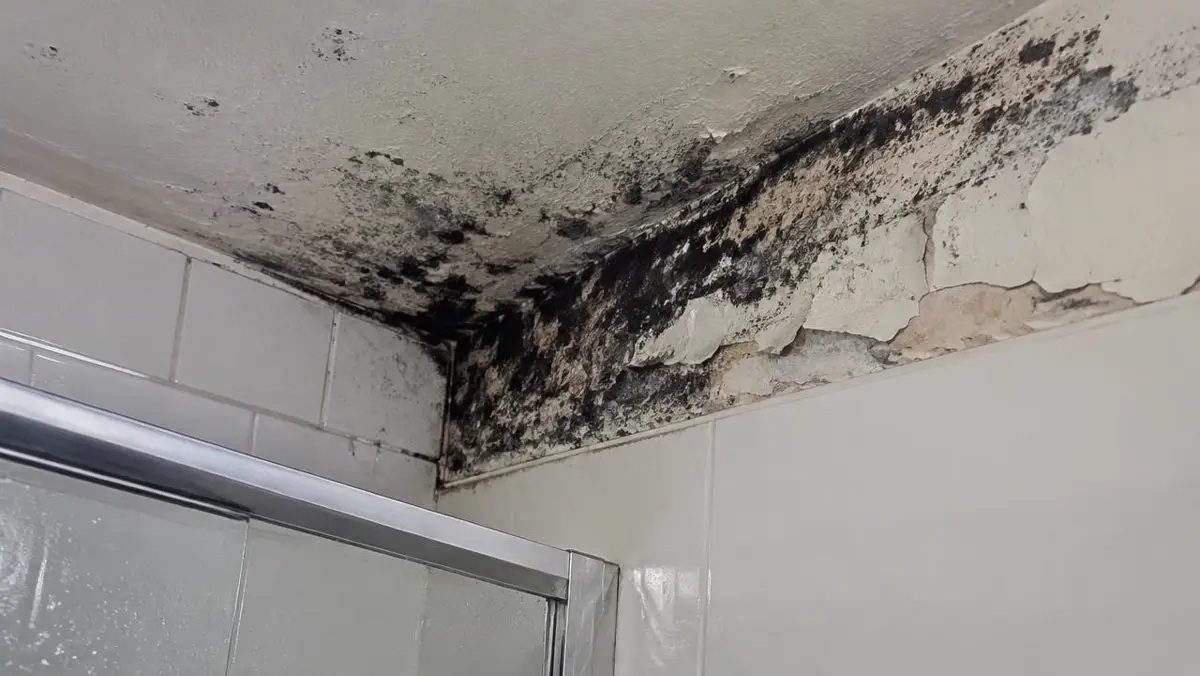
If moisture led to mold, the EPA advises fixing the water problem first and that larger areas (roughly more than 10 square feet) may need professional cleanup. Mold is a common reason financed sales stall. See selling a house with mold for specifics.
When a cash sale may not be your best option
If the repairs are small (paint, fixtures, a minor roof patch) and you have the cash and time to finish them, fixing up and listing can return more than the repair cost. That's also true when the house is in a neighborhood where updated homes sell quickly at a premium. A cash, as-is sale makes the most sense when repairs are large, uncertain, or you'd have to borrow for them. Compare an as-is cash offer with listing using real contractor bids — not guesses — before you decide.
Know which kind of water you're dealing with
Restoration professionals commonly use three categories, based on the IICRC S500 water damage standard, and buyers and insurers think the same way:
- Category 1 (clean water): A broken supply line or overflowing sink. Usually the easiest to dry and repair if handled quickly.
- Category 2 (gray water): Washing machine or dishwasher discharge. Contains contaminants and needs more careful cleanup.
- Category 3 (black water): Sewage backups or floodwater from outside. Requires removing affected materials like drywall and carpet and professional sanitation.
Time changes the category. Clean water left standing for days can become a contamination and mold problem. If you're reading this with a fresh leak, stopping the water and starting drying is far more important than any sales decision.
Restoration professionals commonly use three categories, based on the IICRC S500 water damage standard, and buyers and insurers think the same way: Time changes the category.
What repairs typically involve
Costs vary widely by region, size of the affected area, and whether mold is present, so get written estimates from licensed contractors rather than relying on averages. Typical scope includes:
- Water extraction and drying with industrial fans and dehumidifiers, often several days.
- Removing damaged materials such as drywall, insulation, flooring, and cabinets that stayed wet.
- Mold testing and remediation where moisture lasted long enough for growth.
- Rebuilding: drywall, paint, flooring, trim, and any cabinetry.
- Fixing the cause: the plumbing failure, grading problem, gutter, or roof leak that let water in.
Buyers and inspectors care most about step 5. A beautifully repaired room means little if the cause hasn't been fixed.
Your claim history follows the house
Insurers share claim information through databases such as the LexisNexis CLUE report, which lists claims filed on a property for several years. Buyers can't pull your report themselves, but their insurer may see it when quoting a policy. A prior water claim can raise a buyer's premium or prompt questions. That's another reason honest disclosure is the safer path: the history is likely to surface anyway, and surprises late in a deal can sink it.
If you received an insurance payout and didn't complete the repairs, be prepared to explain that too. Some mortgage lenders and insurers ask.
Selling as-is: what the buyer is pricing in
When you sell a water-damaged home as-is, a buyer's offer reflects the full repair scope, the risk of hidden damage, and the time to fix it. To get the strongest offer:
- Share any moisture readings, remediation reports, or contractor estimates you already have.
- Disclose the source of the water and whether it's been fixed.
- Keep the house as dry as you can; running a dehumidifier can stop the damage from getting worse while you sell.
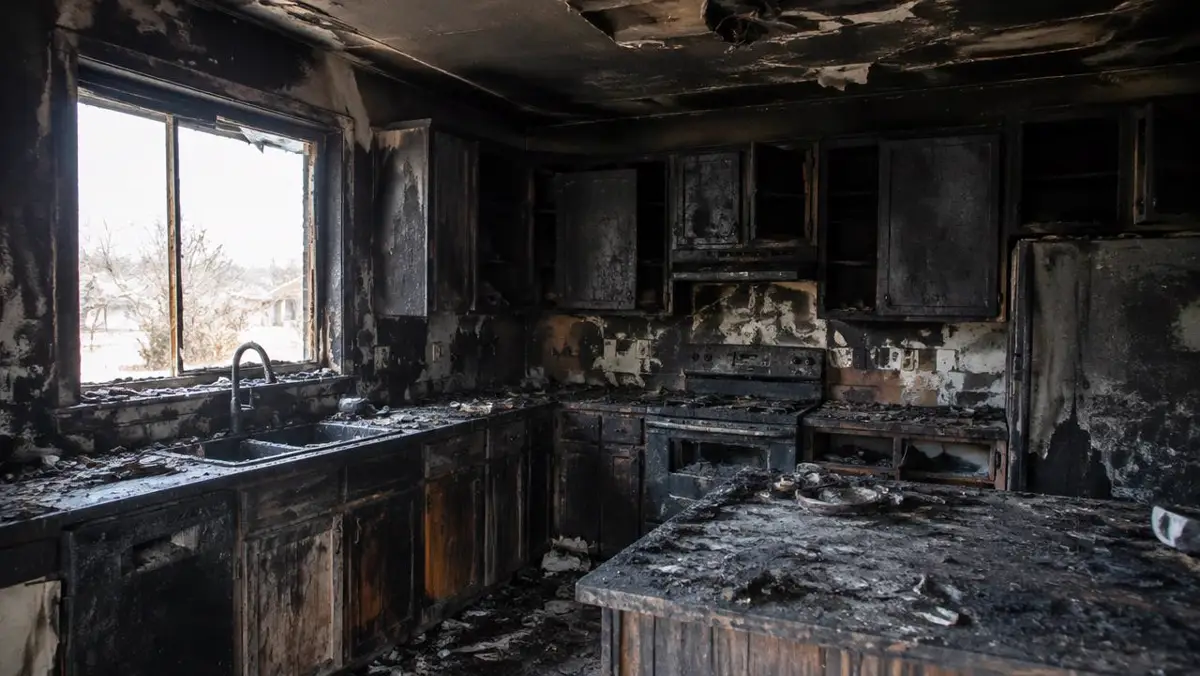
A buyer who sees documentation can price the job more precisely, which usually means less of a risk discount. For more on this type of sale, see our fire, storm, and water damage page.
Questions buyers will ask
- What caused the water, and when?
- Has the cause been fixed, and by whom?
- Was an insurance claim filed?
- Was mold found or tested for?
- Do you have photos and invoices?
Having these answers ready shortens negotiations and builds trust.
What to do this week
Stop the source, start drying, and photograph everything. Call your insurer to ask whether the damage is covered and how a claim would affect a sale. Get one written repair estimate and, if mold is possible, an assessment. Then decide between repair and sell, or sell as-is with documentation. Acting fast limits the damage and keeps your options open.
Key points to remember
- Stop the water and start drying immediately.
- Know which category of water you're dealing with; it changes the repair scope.
- Disclose damage, claims, and flood history; they often surface anyway.
- Fix the cause, not just the visible damage.
- Documentation helps you get a stronger as-is offer.
The bottom line
Stop the water, document everything, and disclose honestly. Then compare a real remediation estimate against an as-is offer. Our fire, storm and water damage page explains how we buy damaged homes, and you can get an offer here.
Frequently asked questions
Do I have to disclose past water damage when selling my house?
In most states, yes, if you know about it. Seller disclosure forms commonly ask about leaks, flooding, mold, and insurance claims. Past repairs should be disclosed along with who did the work. Honest disclosure protects you from claims after closing, and claim history is usually discoverable anyway.
Does homeowners insurance cover water damage before a sale?
Standard policies usually cover sudden, accidental water damage such as a burst pipe, but often exclude slow leaks, poor maintenance, and flooding from rising water. Flood damage is generally covered only by a separate flood policy. Call your insurer promptly and document the damage before cleanup.
Can I sell a flooded house without fixing it?
Yes. You can sell as-is to a cash buyer who accounts for repairs in the offer, which avoids financed-buyer appraisal and inspection problems. Disclose the flood history and any insurance claims, and confirm with your lender and insurer how any claim proceeds must be handled.
Sources & further reading
Primary sources we consulted for this article. Rules vary by state and change over time — always confirm against the original source.
- 1A Brief Guide to Mold, Moisture, and Your Home
U.S. Environmental Protection Agency
Drying guidance and when mold cleanup needs professionals.
- 2Flood Maps
Federal Emergency Management Agency
How flood zones are mapped and why lenders require flood insurance.
- 3National Flood Insurance Program
Federal Emergency Management Agency
Coverage for flood damage excluded from standard homeowner policies.

About the author
Jennifer Martinez
Seller Success Manager
Jennifer Martinez works with the SilverCrest Estates acquisitions team, helping homeowners across 50+ US markets understand their options and close on their own timeline.
Disclaimer: This article is for general information only and is not legal, tax, or financial advice. Real estate rules vary by state and change over time. Consult a licensed attorney, tax professional, or financial advisor about your specific situation before acting.