Start here: this article is part of our distressed sales collection. For the full picture, read our complete guide, Can You Sell a House With Foundation Problems? Your Complete Guide.
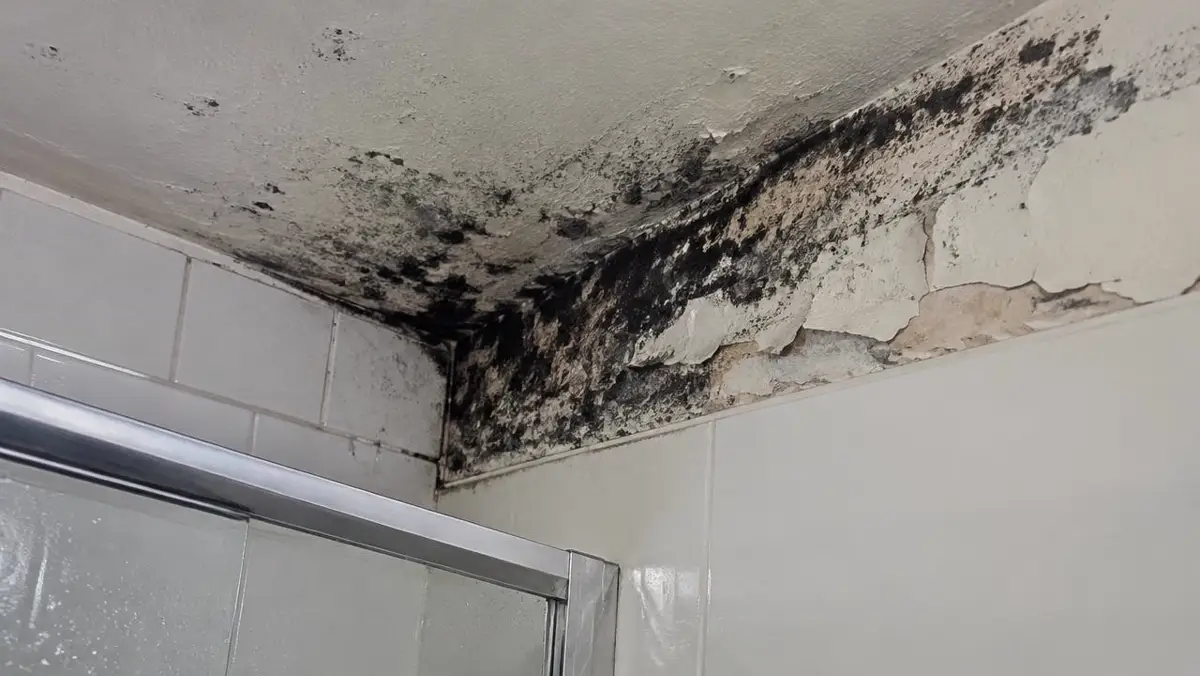
Mold is one of those words that makes buyers nervous and deals wobble — but a house with mold can absolutely be sold. The key is understanding what you're dealing with, what you must disclose, and whether to remediate first or sell as-is. Here's how to sell a home with mold the right way.
Mold: remediate or sell as-is?
| Situation | Typical choice |
|---|---|
| Small area (EPA: under ~10 sq ft) | Clean it yourself, then list |
| Large or recurring mold | Professional remediation or sell as-is |
| Moisture source unknown | Inspect first — mold returns if the leak stays |
| No budget or time | Disclose and sell as-is |
First, Understand the Type and Cause
Not all mold is equal, and mold is a symptom — there's always a moisture source behind it. Before deciding anything:
- Identify the source — a leak, poor ventilation, flooding, or high humidity. Selling without fixing the cause just means it comes back.
- Get a professional mold assessment to determine type and extent. Surface mildew in a bathroom is very different from widespread growth behind walls.
- Get a repair estimate for both remediation and the underlying moisture fix.
Why Mold Complicates a Sale
- Buyer fear. Mold triggers health worries, and many buyers walk rather than take on the unknown.
- Financing issues. Lenders may require remediation before approving a loan, removing financed buyers from your pool.
- Inspection flags. Mold almost always surfaces during the buyer's inspection — understand how inspections affect your sale.
You Must Disclose Mold
Mold is a material defect that must be disclosed in nearly every state — even if you've remediated it, you typically must disclose the history and the repair. Concealing mold is a common source of post-sale lawsuits. Disclose upfront with your documentation; it protects you and filters for serious buyers. See required seller disclosures.
Your Options
Option 1 — Remediate, then sell traditionally
If the mold is contained and the fix is affordable, professional remediation plus correcting the moisture source opens the home to financed buyers and captures more value. Keep the remediation report and warranty — documentation reassures the next buyer far more than a fresh coat of paint.
Option 2 — Sell as-is to a cash buyer (fastest)
If the mold is extensive, the remediation is costly, or you need speed, selling as-is to an investor or direct buyer lets you skip the cleanup entirely and close in days. These buyers handle remediation themselves and purchase with full knowledge of the condition — see can I sell my house as-is without repairs.
Option 3 — Offer a remediation credit
Sell without fixing it but give the buyer a concession toward remediation. This works with cash and renovation-loan buyers more than standard financed ones.
Mold is one of those words that makes buyers nervous and deals wobble — but a house with mold can absolutely be sold.
Never Just Paint Over It
Painting over mold or hiding it before a showing is the worst move — it doesn't stop the growth, it's discoverable at inspection, and it exposes you to fraud claims. Deal with it honestly instead.
Pricing a Home With Mold
Buyers price from after-repair value minus remediation cost and a risk premium. Pull comparable sales of sound homes nearby and subtract a realistic remediation figure. Overpricing a home with known mold is the fastest way to have it sit.
Understanding Buyer and Lender Concerns
Mold makes buyers nervous for three separate reasons, and addressing each directly keeps deals alive:
- Health worries. Some molds can affect indoor air quality, especially for people with allergies or respiratory conditions. A professional assessment and remediation report answers this concern with facts rather than fear.
- Hidden damage. Buyers assume visible mold means bigger problems behind the walls. Showing that you identified and fixed the moisture source — not just the surface growth — is what reassures them it won't return.
- Cost uncertainty. Left to guess, buyers assume the worst-case remediation bill. A written repair estimate lets them price the actual risk.
Why Honesty Is the Winning Strategy
It's tempting to clean visible mold and stay quiet, but that's the costliest mistake you can make. Mold almost always reappears if the moisture source remains, it's routinely caught during the buyer's inspection, and concealment exposes you to fraud claims and a collapsed deal. Disclosing upfront, with documentation, does the opposite — it filters for serious buyers and builds the trust that gets a deal to closing.
Your two clean paths are to remediate and sell to the full buyer pool, or to sell as-is to a buyer who handles remediation themselves. Because many lenders won't finance a home with active mold, that second path usually means a cash buyer. A cash offer removes the lender, the repair timeline, and the renegotiation window in one step, which is why owners facing extensive mold or a tight timeline so often choose it. Whichever route you take, price from realistic comparable sales minus the true remediation cost.
When a cash sale may not be your best option
If the repairs are small (paint, fixtures, a minor roof patch) and you have the cash and time to finish them, fixing up and listing can return more than the repair cost. That's also true when the house is in a neighborhood where updated homes sell quickly at a premium. A cash, as-is sale makes the most sense when repairs are large, uncertain, or you'd have to borrow for them. Compare an as-is cash offer with listing using real contractor bids — not guesses — before you decide.
Testing: when it helps and when it doesn't
The EPA notes that if you can see or smell mold, sampling usually isn't necessary to decide to clean it up; what matters is fixing the moisture source. Testing can still help a sale, though, because it gives buyers a documented baseline. If you remediate, ask for a post-remediation clearance report from an independent assessor (not the company that did the cleanup). That single document reassures buyers, inspectors, and insurers more than any verbal assurance.
Typical remediation steps
- Find and fix the moisture source (leak, humidity, drainage).
- Contain the area to keep spores from spreading.
- Remove porous materials like drywall and carpet that can't be cleaned.
- Clean and treat hard surfaces.
- Dry thoroughly and verify with moisture readings.
- Rebuild and, ideally, obtain clearance testing.
Keep invoices and photos of each step. If you're selling as-is instead, share whatever reports you have so buyers can price the job accurately rather than assuming the worst.
How much mold affects price
It depends on how far it has spread, what caused it, and whether the source is fixed. A small, contained area with documented remediation may barely affect value. Widespread growth from a long-term leak may require gutting rooms, and buyers will price that in heavily. Getting remediation quotes before you list gives you a concrete number to discuss rather than leaving buyers to imagine the worst.
What to do this week
Find and stop the moisture source first; nothing else matters until that's done. Run a dehumidifier in affected areas. Get one quote from a licensed remediation company and, if you can, an independent assessment. Photograph everything. Then decide whether to remediate and list or sell as-is with the reports in hand. Either way, disclose what you know. Buyers who see documentation and a clear plan offer more than buyers who discover mold on their own during inspection.
Key points to remember
- Fix the moisture source before anything else; mold returns if the water does.
- Disclose known mold and share any testing or remediation reports.
- An independent clearance report reassures buyers more than verbal promises.
- Never paint over mold; it hides the problem and creates legal risk.
- Selling as-is with documentation is a legitimate option when remediation isn't practical.
Old insulation near moisture may need a separate test
Mold remediation can disturb older pipe wrap, tile or ceiling texture. Before any work starts, see selling a house with asbestos to learn when to test and how to compare abatement with an as-is sale.
The Bottom Line
You can sell a house with mold — the choice is whether to remediate first or sell as-is. If the mold is minor and the fix affordable, remediating opens up more buyers and value. If it's extensive or you need speed, an as-is cash offer from a buyer who handles remediation is the cleanest exit. Whatever you choose, disclose honestly. SilverCrest Estates buys homes with mold and water damage in any condition — request a free, no-obligation offer.
Frequently asked questions
Do I need to make repairs before selling?
Not for a direct sale — we buy as-is and price the condition into the offer. For a traditional listing it's a judgment call: cosmetic work like paint and landscaping usually returns more than it costs, while major systems (roof, foundation, sewer) rarely return their full cost and can take months to schedule. Run the numbers before you spend.
What do I have to disclose about the property's condition?
Nearly every state requires sellers to disclose known material defects, and federal law requires a lead-based paint disclosure for homes built before 1978. Selling as-is limits your obligation to repair — it does not remove the duty to disclose what you know. When in doubt, disclose it in writing and keep a copy.
Will a low appraisal or inspection kill my sale?
It can in a financed sale: if the appraisal comes in under contract price the lender will only fund to the appraised value, and inspection findings often reopen negotiations. A cash purchase removes the lender from the equation, so the condition affects the offer up front rather than derailing the deal three weeks in.
Can I still sell my house if foreclosure has already started?
Usually yes. Until the foreclosure sale is actually completed, most homeowners retain the right to sell and pay off the loan from the proceeds. The practical constraint is time: your servicer will quote a reinstatement or payoff amount with an expiration date, so the sale has to close before the scheduled auction. HUD-approved counselors can help you confirm the deadline at no cost.
Sources & further reading
Primary sources we consulted for this article. Rules vary by state and change over time — always confirm against the original source.
- 1Home improvement and energy-savings guidance
U.S. Department of Energy
Which upgrades actually reduce operating costs, useful when weighing pre-sale repairs.
- 2Lead-based paint disclosure requirements
U.S. Environmental Protection Agency
Federal disclosure obligations for homes built before 1978.
- 3Avoiding Foreclosure
U.S. Department of Housing and Urban Development
HUD's official options for homeowners behind on payments, including free housing counseling.

About the author
Jennifer Martinez
Real Estate Transaction Specialist
Jennifer Martinez works with the SilverCrest Estates acquisitions team, helping homeowners across 50+ US markets understand their options and close on their own timeline.
Disclaimer: This article is for general information only and is not legal, tax, or financial advice. Real estate rules vary by state and change over time. Consult a licensed attorney, tax professional, or financial advisor about your specific situation before acting.