Start here: this article is part of our distressed sales collection. For the full picture, read our complete guide, Can You Sell a House With Foundation Problems? Your Complete Guide.
Quick answer: A house needing major repairs can absolutely be sold — but usually not to a financed buyer, because lenders won't approve mortgages on homes with failing roofs, foundations, or systems. Your realistic options are: fix and list (expensive, slow), list as-is to cash investors (heavy discounting, still slow), or sell directly to a cash buyer like SilverCrest Estates, which prices the repairs into one written offer and closes in as little as 21 days.
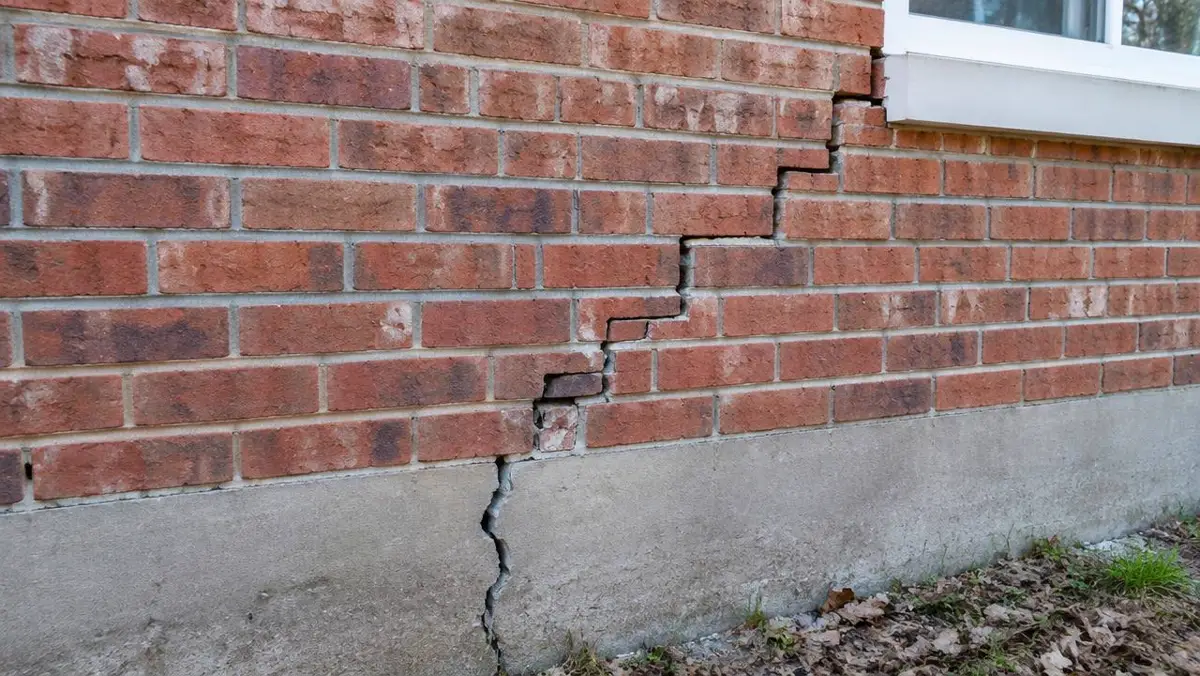
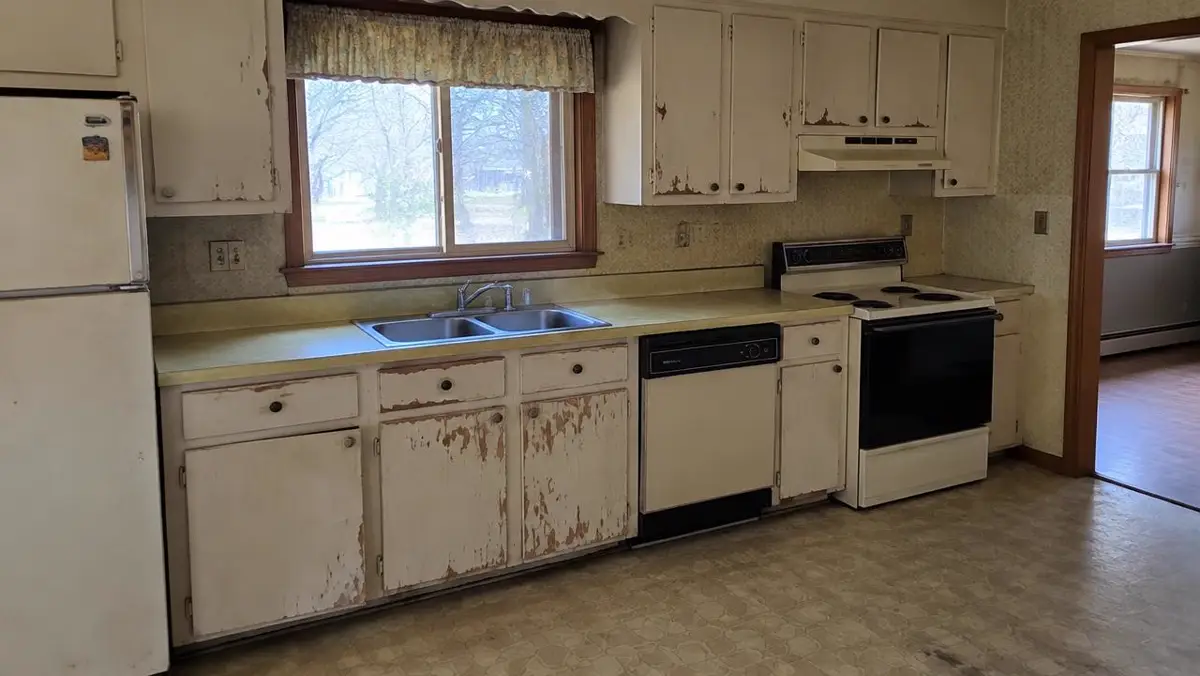
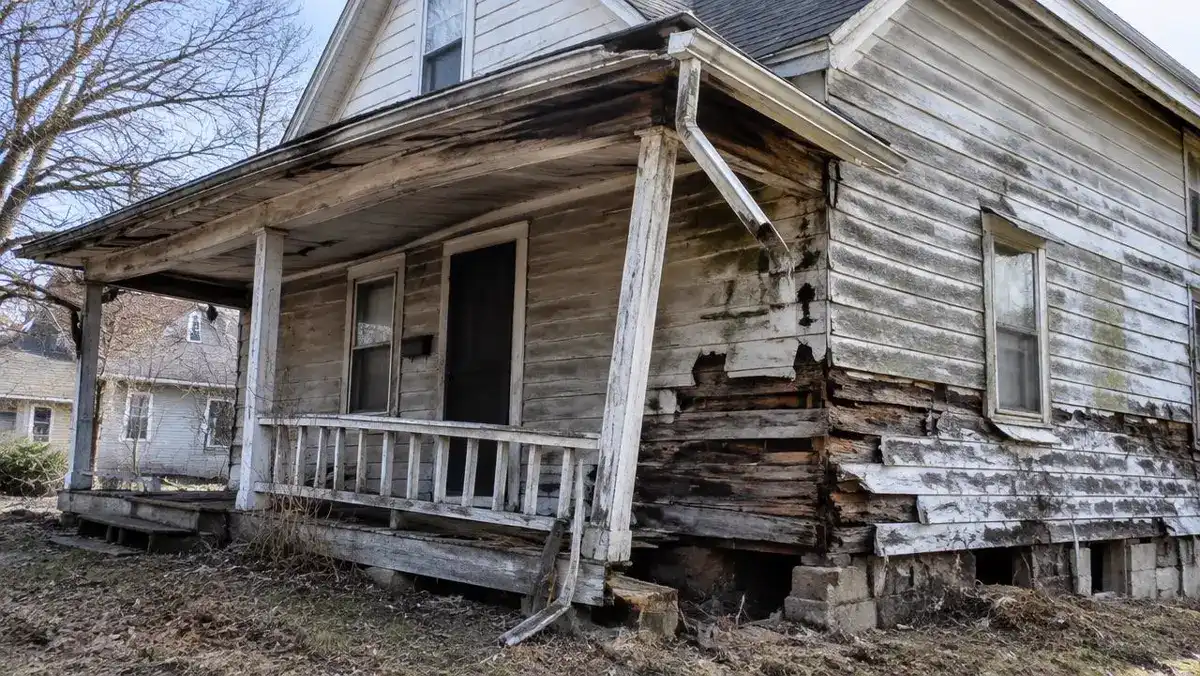
"Major repairs" has a specific meaning in the market: problems that affect safety, structure, or habitability — foundation movement, roof failure, outdated or dangerous electrical, failed plumbing or sewer, mold, or fire/water damage. These change who can even buy your house.
Why financed buyers can't buy your house
This is the part sellers find out too late. When a buyer needs a mortgage, the lender's appraiser must certify the property meets minimum condition standards. FHA, VA, and even conventional loans can be blocked by:
- Roof with less than ~2–3 years of remaining life
- Foundation or structural defects
- Non-functioning heating, plumbing, or electrical
- Peeling paint in pre-1978 homes (lead hazard)
- Active water intrusion or mold
When the appraisal flags these, the loan dies — no matter how much the buyer loves the house. That's why major-repairs homes sit on the MLS for months: the retail buyer pool is mostly locked out, and the house is effectively a cash-only listing whether you label it that way or not.
Your three real options
Selling paths for a major-repairs home
| Path | Timeline | Upfront cost | Main risk |
|---|---|---|---|
| Fix, then list retail | 3–8 months | $20,000–$80,000+ | Contractor overruns; recovery < cost |
| List as-is on the MLS | 2–6 months | Prep + commissions | Lowball investor offers; inspection renegotiation |
| Direct cash sale (SilverCrest) | As little as 21 days | $0 | Lower headline price than fixed-up value |
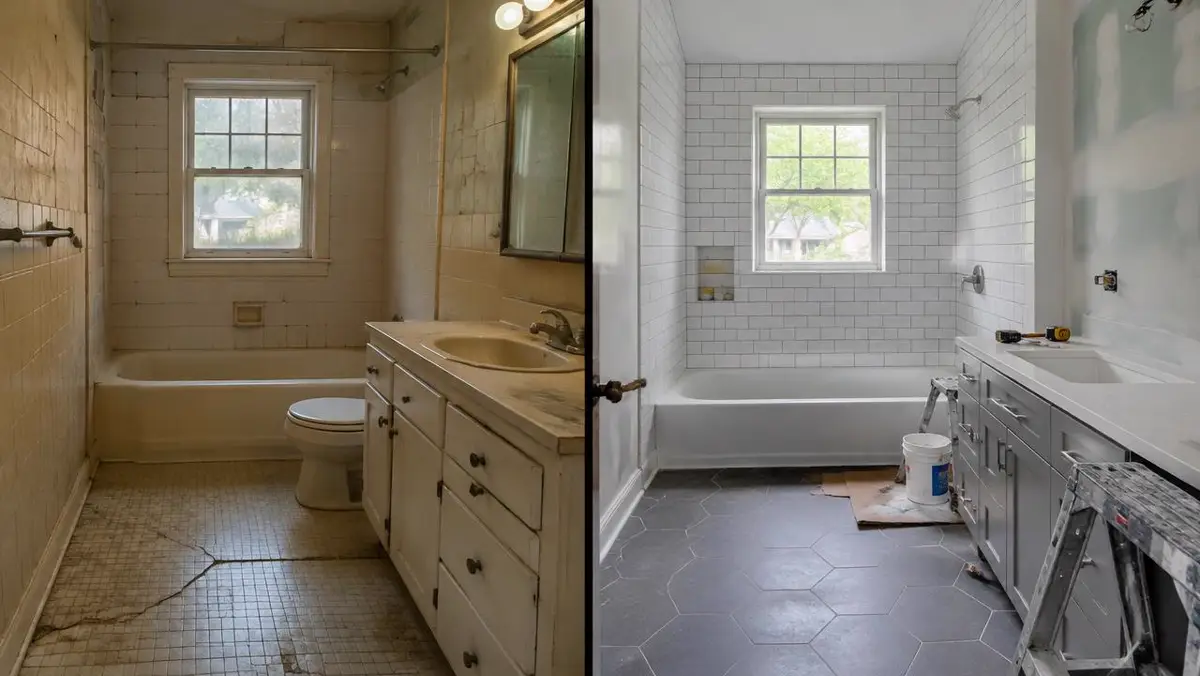
Option 1: Fix and list. Only makes sense if you have the cash, the months, and a market where renovated homes sell fast. Remember: major projects typically recover only 50%–80% of cost at sale, and you're carrying the house the whole time.
Option 2: List as-is with an agent. You'll disclose everything, price for condition, and field offers almost entirely from investors — who will still inspect and renegotiate. It works, but slowly, and commissions still apply.
Option 3: Direct cash sale. One walkthrough, a written offer that already accounts for the repair scope, no inspection contingency, no lender, no commissions, standard seller closing costs covered. The price is lower than the fixed-up value — but you're comparing it against the fixed-up value minus repairs, carrying costs, commissions, and months of risk.
How a cash buyer prices a major-repairs house
A legitimate buyer shows you the math. The standard formula:
Offer = After-repair value − repair costs − holding/resale costs − margin
For an illustrative home worth $350,000 fixed up, needing $55,000 in repairs: holding and resale costs might run $25,000, and the buyer's margin perhaps $35,000 — producing an offer around $235,000. Compare that against your fix-and-list net: $350,000 − $55,000 repairs − ~$20,000 commissions − 5+ months of carrying costs. The gap is often far smaller than sellers expect. Our breakdown of how cash buyers calculate offers goes deeper, and selling a house with foundation issues covers the most-feared repair specifically.
Paperwork that protects you
- Disclose what you know. As-is never means hiding known defects — every state's disclosure law still applies, plus federal lead-paint rules for pre-1978 homes.
- Get any repair estimates in writing — they're useful context even if you don't do the work.
- Verify the buyer — proof of funds, earnest money, licensed title company. Our guide on whether cash buyers are legit has the full checklist.
Honest fit check: if the damage is minor or purely cosmetic, this article isn't for you — do the cheap fixes and list retail. And if you have the cash, time, and appetite to manage a renovation, fixing first can net more. The direct sale is for sellers whose repair list has five zeros and whose calendar or budget can't absorb a renovation.
Compare that against your fix-and-list net: $350,000 − $55,000 repairs − ~$20,000 commissions − 5+ months of carrying costs.
Key takeaways
- Major condition issues block most financed buyers — your real market is cash buyers.
- Fixing first rarely pays: big projects recover 50%–80% of cost, plus months of carrying costs.
- A legitimate cash offer is transparent: ARV minus repairs, holding costs, and margin.
- Disclosure laws apply in every as-is sale — never hide known defects.
- Compare the cash offer against your fix-and-list net, not the fixed-up price.
When a cash sale may not be your best option
If the repairs are small (paint, fixtures, a minor roof patch) and you have the cash and time to finish them, fixing up and listing can return more than the repair cost. That's also true when the house is in a neighborhood where updated homes sell quickly at a premium. A cash, as-is sale makes the most sense when repairs are large, uncertain, or you'd have to borrow for them. Compare an as-is cash offer with listing using real contractor bids — not guesses — before you decide.
Repair-by-repair: what the big-ticket items actually cost
When a buyer says "major repairs," here's the realistic national range for the usual suspects (get local bids — labor markets vary widely):
- Foundation repair: $4,000–$12,000 for piering on typical settlement; severe cases run far higher.
- Full roof replacement: $8,000–$20,000 depending on size, pitch, and material.
- Electrical panel / rewiring: $2,000–$4,000 for a panel; $8,000–$15,000+ for whole-house rewiring.
- Sewer line replacement: $3,000–$10,000 (trenchless methods often land mid-range).
- HVAC replacement: $6,000–$12,000 for a full system.
- Mold remediation: $2,000–$8,000 for contained areas; whole-house cases much more.
Add two or three of these and you're at $30,000–$60,000 before cosmetic work — which is why the fix-and-list path so rarely pencils for major-repairs homes.
Permits, insurance claims, and other money on the table
Before assuming you'll pay for (or discount for) everything, check three sources of offset:
- Insurance. Sudden damage — a burst pipe, storm damage, a tree on the roof — may be a covered claim even if you plan to sell. File before closing; the claim proceeds or completed repairs belong to you.
- Open permits. If a previous owner's work was never finaled, closing those permits (or disclosing them) matters. Unpermitted work must be disclosed and scares retail buyers more than it scares cash buyers.
- Home warranties and transferable coverage. Occasionally a failing system is still under a warranty that transfers or pays out.
Finally, a word on safety: if the home has active electrical hazards, structural movement, or black mold, limit time inside, don't attempt DIY fixes, and tell every buyer exactly what you know. A direct sale to SilverCrest Estates transfers the entire repair scope — permits, contractors, dumpsters, and all — to us, and the written offer already accounts for it. Request your no-obligation offer.
The disclosure strategy for a major-repairs home
Counterintuitively, thorough disclosure helps you sell a problem house. When you hand buyers a written list — "foundation piers needed per attached estimate, roof at end of life, sewer line replaced 2019" — two things happen: serious buyers trust the rest of what you say, and you've legally protected yourself. Attach real documents where you have them: contractor estimates, past invoices, insurance claim records. Vague disclosures invite either lowball fishing or post-closing disputes; specific disclosures close deals.
Insurance claims you might be leaving behind
Before selling, review whether any of the damage is a covered insurance event. Storm damage to a roof, a sudden pipe burst, or a vehicle impact are often claimable even when you've decided to sell — the claim proceeds are yours, and they can meaningfully change the math between fixing and selling as-is. File before closing (claims after transfer get complicated), keep the adjuster's report, and disclose the claim history to buyers as required. A direct cash buyer will factor known damage into the offer either way, but a funded claim means the repair money came from the insurer rather than out of your price.
Separate septic failure from other repair problems
A failed septic inspection needs a qualified diagnosis and confirmation of local environmental requirements, not just a general repair allowance. See selling a house with a failed septic system before comparing repair-and-list with an as-is offer.
Frequently asked questions
Can I sell a house that needs major repairs?
Yes — but usually to a cash buyer, because mortgage lenders won't finance homes with failing roofs, foundations, or major systems. You can fix and list (expensive and slow), list as-is on the open market (mostly investor offers with renegotiation), or sell directly to a cash buyer like SilverCrest Estates, which prices the repairs into one written offer and can close in as little as 21 days.
How much less will I get for a house that needs major work?
Expect the offer to reflect the after-repair value minus repair costs, holding and resale costs, and the buyer's margin. The honest comparison is against your fix-and-list net — the fixed-up price minus repairs, commissions, and months of carrying costs — where the gap often shrinks to a few thousand dollars, in exchange for months of time and zero renovation risk.
Do I have to disclose major problems when selling as is?
Yes. As-is means you won't make repairs — it does not exempt you from disclosure. Nearly every state requires written disclosure of known material defects like foundation movement, roof leaks, or past flooding, and federal law requires lead-paint disclosure for pre-1978 homes. Concealing a known defect can unwind the sale or create liability after closing.
Should I get repair estimates before selling?
One or two written contractor estimates are useful — they keep everyone honest about scope and help you evaluate any offer's repair deduction. But you don't need to fix anything to sell to a direct cash buyer: SilverCrest Estates does its own walkthrough and prices the condition into the offer, so estimates are for your information, not a requirement.
Sources & further reading
Primary sources we consulted for this article. Rules vary by state and change over time — always confirm against the original source.
- 1FHA Minimum Property Requirements (Handbook 4000.1)
U.S. Department of Housing and Urban Development
The condition standards that block financed buyers.
- 2Real Estate Disclosure (Lead-Based Paint)
U.S. Environmental Protection Agency
Federal disclosure duties for pre-1978 homes in any sale.
- 3Hiring a Contractor: Consumer Advice
Federal Trade Commission
FTC guidance if you do decide to repair before selling.

About the author
Alex Chen
Seller Success Manager
Alex Chen works with the SilverCrest Estates acquisitions team, helping homeowners across 50+ US markets understand their options and close on their own timeline.
Disclaimer: This article is for general information only and is not legal, tax, or financial advice. Real estate rules vary by state and change over time. Consult a licensed attorney, tax professional, or financial advisor about your specific situation before acting.