Start here: this article is part of our selling your home collection. For the full picture, read our complete guide, How to Sell Your House Fast: The Complete Homeowner's Guide.
Quick answer: Selling a house with sinkhole damage is possible with or without repairs, but the paperwork decides how smoothly it goes. Gather the claim file, engineer reports and any repair certification, and check what is recorded with the county. In Florida, a paid claim must be disclosed before closing. SilverCrest Estates can make an as-is offer so you can compare it with a repaired listing.
| Record | Why it matters |
|---|---|
| Claim file and payout | Florida requires disclosure of a paid claim |
| Engineer or geologist report | States the cause and the repair method |
| Repair certification | Shows whether stabilization was completed |
| County recording | What a buyer's title search can find |
Selling a house with sinkhole damage: start with the facts on paper
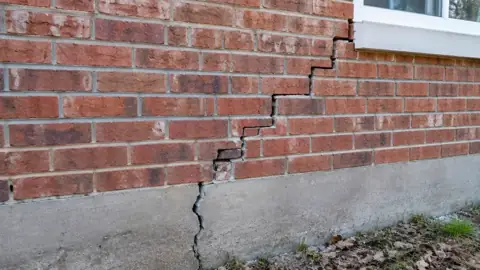
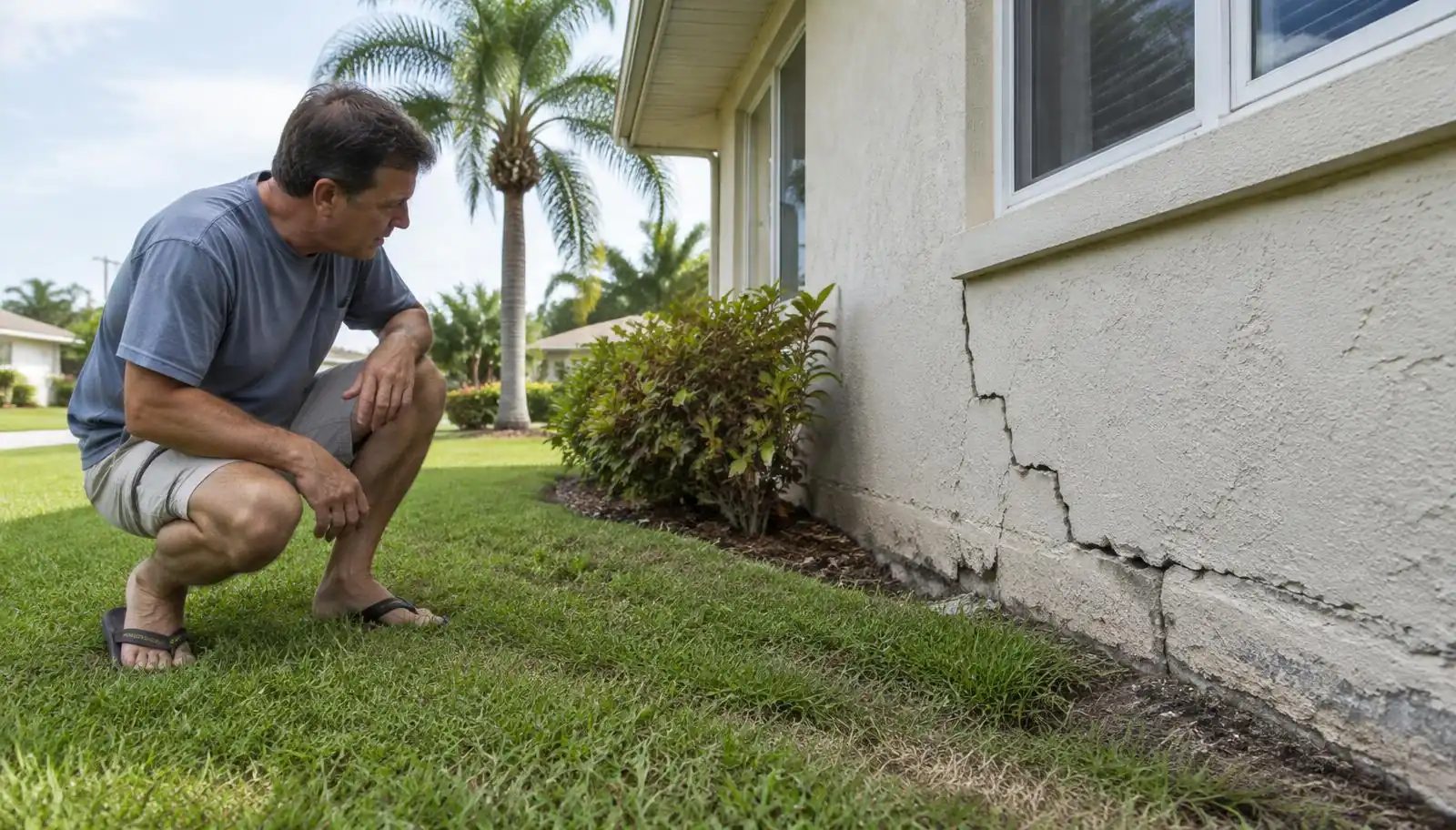
The first job is separating confirmed sinkhole activity from ordinary settling. Cracks alone do not tell a buyer which one they are looking at.
The Florida Geological Survey's sinkhole FAQ answers questions such as whether a settling yard means a sinkhole and whether a home inspector or adjuster can determine sinkhole activity. Its guidance for an assessment is to contact a certified home inspector or foundation specialist. The point for a seller is simple: a professional's written finding carries more weight than your description of a crack.
Write a short timeline. Note when you first saw cracks, doors sticking or ground depressions, who inspected, what they concluded and what was done. Keep photos with dates. If the cause was never confirmed, say so plainly rather than guessing either way. Our foundation issues guide covers how buyers usually read structural cracks.
Gather the claim, report and repair records
A sinkhole file usually has three layers: the insurance claim, the testing report and the repair record. Buyers will ask for all three.
Under Florida's sinkhole statute, section 627.7073, a professional engineer or geologist who completes testing issues a written report and certification. When sinkhole loss is verified, that report must include a recommendation for stabilizing the land and building and for repairing the foundation. When sinkhole activity is ruled out, the report states the cause of any damage instead.
Collect the full report, not a summary. Add the claim decision letter, the payment amount and any neutral evaluator's report. If repairs were made, keep the contractor's scope, invoices, permits and the engineer's completion report. Put the documents in date order in one folder or PDF.
Is a recorded sinkhole report a lien on my house?
No. It is public, but it is not a lien.
Section 627.7073(2) requires an insurer that paid a sinkhole claim to file the report and certification, the payment amount and related documents with the county clerk of court for recording. The same subsection says recording does not constitute a lien, encumbrance or restriction on title, or a title defect. Expect a buyer's title commitment search or their own research to find it.
Check the county record before a buyer does
Looking yourself avoids surprises. Search your county clerk's official records by your name or the legal description.
For example, if the house is in Pasco County, search the Pasco County Clerk & Comptroller official records. In Hernando County, use the Hernando County Clerk; in Hillsborough County, the Hillsborough County Clerk. Each office runs its own search tool, so follow its instructions rather than relying on a third-party site.
Compare what you find with your file. If a completion report for stabilization was filed under section 627.7073(3), it should appear too. If the record shows a paid claim but no completion report, be ready to explain what happened to the repairs.
What Florida requires sellers to disclose
Florida has a specific rule for paid sinkhole claims. Other states rely on their general disclosure forms and standards.
Section 627.7073(2)(c) says the seller of property on which the seller made a sinkhole claim that the insurer paid must disclose to the buyer, before closing, that a claim was paid and whether the full proceeds were used to repair the sinkhole damage. Give that disclosure in writing and keep a signed copy. Our seller disclosure guide and disclosure requirements article cover the broader duty.
If you bought the house with a past claim on record, the specific statute speaks to the seller who made the claim, but you still know about it. Share the records you received and answer your disclosure form accurately. See the Florida sell page for state context.
If a completion report for stabilization was filed under section 627.7073(3), it should appear too.
Decision tree: repair, credit or sell as-is
Work through each option to a written net figure. Avoid guessing what a buyer will think of the word sinkhole.
Sinkhole damage: paperwork before price
- 1
Records
Claim, engineer report and payout.
- 2
Recorded
Search the county's official records.
- 3
Repairs
Completion report if work was done.
- 4
Disclose
Paid claim and use of proceeds.
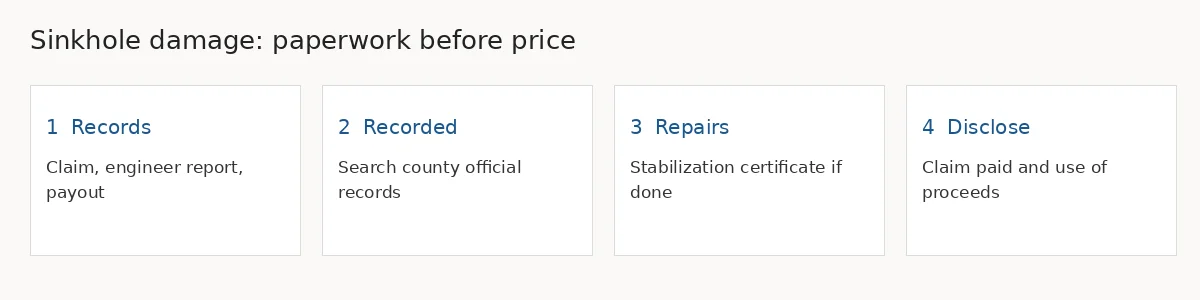
Each path should end in a written net number you can compare.
- Repaired with a completion report: list with the full file and expect buyers to read it closely.
- Claim paid, repairs not done: get a current written stabilization quote and price both paths.
- Unconfirmed cracks: a professional assessment may cost less than the uncertainty it removes.
- No time or cash for repairs: request a written as-is offer and compare it with the repaired-listing figure.
The sell as-is or fix up first guide applies the same trade-off to other major repairs.
Worked example: comparing repair with an as-is sale
These figures are labeled examples, not typical prices or SilverCrest results. Replace every number with your own quotes and offers.
Suppose a repaired home could list at $310,000, with $19,000 in expected selling costs and a $48,000 written stabilization and foundation quote. The example net is $243,000 before mortgage payoff. An as-is offer of $246,000 with $2,500 in seller costs leaves $243,500 before the same payoff.
The example is nearly even, so timing and certainty decide it. Add months of insurance, taxes and utilities for the repair and listing period. The closing-cost calculator helps organize the figures.
Talk to buyers with records, not reassurance
Buyers and their inspectors form their own view. Give them documents they can verify.
Share the report, the payout, the repair scope and any completion report together. Avoid phrases like "fully fixed" unless an engineer's certification says the repairs were properly performed. If a buyer asks for their own testing, ask what they will do with the result: change the price, request a credit or walk away. Get that request in writing before you respond.
When a cash sale may not be your best option
Listing may suit a house with completed, certified repairs and time to wait for an informed buyer. A past sinkhole claim alone is not a reason to accept a steep discount.
If your written figures show a repaired listing nets more after carrying costs, that is a fair choice. Compare cash offers with listing and ask any buyer to explain how the sinkhole history affected their number.
Key takeaways
- Separate confirmed sinkhole activity from ordinary settling in writing.
- Keep the claim, engineer report, payout and repair records together.
- In Florida, a recorded sinkhole report is public but not a lien.
- Florida sellers must disclose a paid claim and whether proceeds went to repairs.
- Compare written net proceeds for repair and as-is paths.
The bottom line
Sinkhole damage calls for a records-first sale, not a guessed discount. Request a cash offer to compare an as-is option, or browse the structural and mold hub. SilverCrest Estates can close in as little as 21 days when title and other requirements allow; choose a later date when you need more time.
Frequently asked questions
Do I have to disclose a sinkhole claim when selling in Florida?
Yes, if you made a sinkhole claim that your insurer paid. Florida Statutes section 627.7073(2)(c) requires the seller to tell the buyer before closing that a claim was paid and whether the full proceeds were used to repair the sinkhole damage.
Is a recorded sinkhole report a lien on my house?
No. Under section 627.7073(2)(a), recording the insurer's sinkhole report and certification does not create a lien, encumbrance or title defect. It does make the report part of the public record a buyer can find.
Can I sell a house with sinkhole damage as-is?
Yes. An as-is buyer can purchase without stabilization or repairs, but Florida's disclosure duty for a paid claim still applies. Give every buyer the same records and compare written offers on equal terms.
Sources & further reading
Primary sources we consulted for this article. Rules vary by state and change over time — always confirm against the original source.
- 1Florida Statutes § 627.7073 — Sinkhole reports
The Florida Senate
Recording of sinkhole reports, repair certification and the seller disclosure duty for paid claims.
- 2Sinkhole Frequently Asked Questions
Florida Department of Environmental Protection, Florida Geological Survey
State geological survey answers on settling, assessments, repaired sinkholes and disclosure.
- 3Official Records Search
Pasco County Clerk & Comptroller
Example of a county clerk where recorded sinkhole reports can be searched.

About the author
Lisa Anderson
Homeowner Advocate
Lisa Anderson works with the SilverCrest Estates acquisitions team, helping homeowners across 50+ US markets understand their options and close on their own timeline.
Disclaimer: This article is for general information only and is not legal, tax, or financial advice. Real estate rules vary by state and change over time. Consult a licensed attorney, tax professional, or financial advisor about your specific situation before acting.