Start here: this article is part of our selling your home collection. For the full picture, read our complete guide, How to Sell Your House Fast: The Complete Homeowner's Guide.
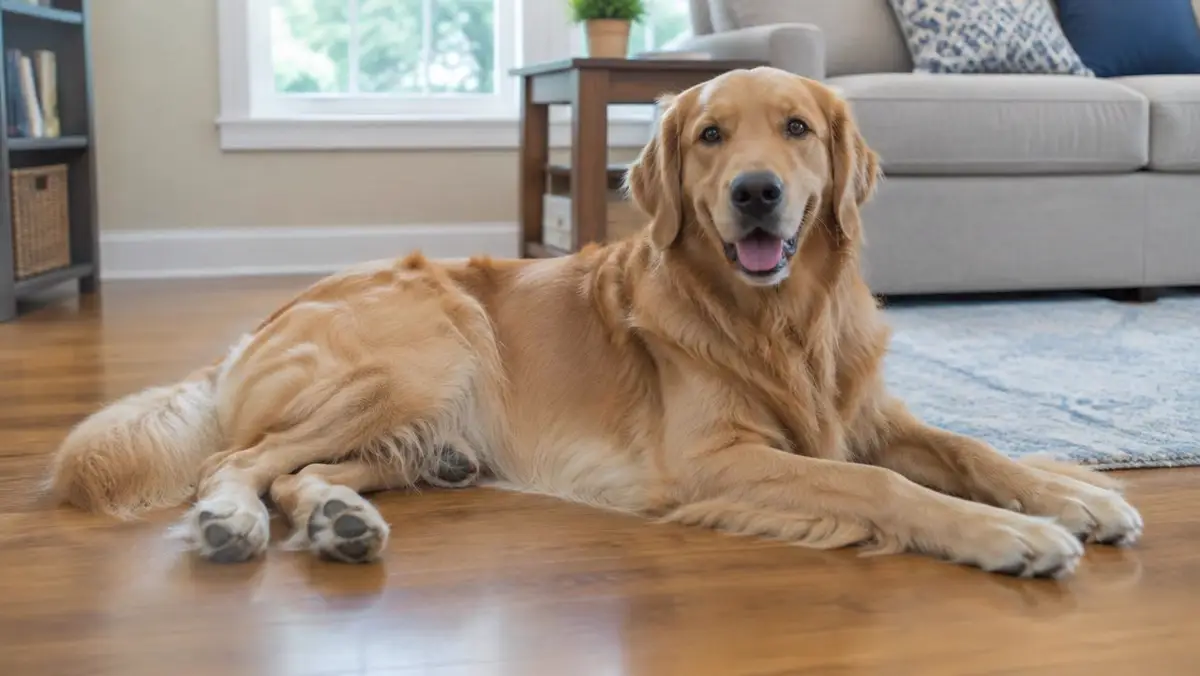
We love our pets — but buyers touring your home may not share the feeling, and signs of animals can quietly cost you offers and dollars. The good news: with some preparation, you can sell a house with pets without sacrificing price. Here's how to keep your sale on track.
Pets during a home sale
| Issue | Fix |
|---|---|
| Odors | Deep-clean carpets, wash bedding |
| Yard damage | Patch lawn, pick up daily |
| Showings | Take pets out or crate them |
| Scratches & stains | Touch-up paint, spot repairs |
Why Pets Affect Your Sale
Buyers need to imagine their life in your home, and evidence of animals interrupts that. Beyond impressions, there are real concerns:
- Odors you've grown used to but buyers notice instantly
- Damage — scratched floors and doors, chewed trim, stained carpet
- Allergies or fear that make some buyers rush through (or skip) a showing
- Yard signs of pets, from worn grass to waste
Addressing these before you list protects both your price and your buyer pool. Pair this with our pre-sale checklist.
Eliminate Odors (Don't Just Mask Them)
Odor is the single biggest pet-related deal-killer, and air fresheners only layer over it:
- Deep clean or replace carpets and padding where odor has set in
- Clean hard floors, baseboards, and walls; wash pet bedding
- Address litter boxes and cages daily while showing
- Consider a professional odor treatment for stubborn cases
- Have a neutral third party do a "sniff test" — you can't smell your own home
Repair Pet Damage
Fix the visible wear that makes buyers wonder how the home was treated:
- Refinish or repair scratched hardwood and doors
- Patch chewed trim and baseboards
- Repair screens, fencing, and dug-up yard areas
- Replace stained or heavily worn carpet
Get a repair estimate if the damage is significant, and weigh it against your expected return — see what buyers look for in a home.
Depersonalize the Pet Presence
When listing photos are taken and during showings, aim to make the home feel pet-neutral:
- Store food bowls, beds, crates, toys, and litter boxes out of sight
- Remove pet gates and repair any wall marks
- Keep the yard clean and waste-free
- Vacuum daily to control hair and dander
We love our pets — but buyers touring your home may not share the feeling, and signs of animals can quietly cost you offers and dollars.
Handling Showings With Pets
- Best option: Remove pets from the home during showings — take them with you or to a sitter, daycare, or a friend.
- If they must stay: Crate them, secure the area, and leave a clear note for the buyer's agent.
- Never leave animals loose during a showing — it's a safety and liability risk, and it distracts buyers from the home.
Pricing and Selling Options
If pet damage is extensive and you'd rather not invest in repairs, you have choices. You can price to reflect the condition using recent comparable sales as in how to price your home to sell fast — or skip repairs and showings entirely with a cash offer. A direct buyer purchases as-is, so pet odor and damage don't cost you a deal.
A Room-by-Room Pet Prep Plan
Walk your home the way a buyer will and neutralize the pet presence in each space:
- Entryway: Remove leashes, muddy paw mats, and food/water bowls near the door — first impressions set the tone.
- Living areas: Vacuum upholstery and drapes, lint-roll cushions, and store toys and beds. Check corners and rug edges for odor.
- Kitchen: Move feeding stations out of sight during showings; wipe down floors where spills and hair collect.
- Bathrooms/laundry: Litter boxes are the biggest offender — clean daily and relocate them during showings if possible.
- Bedrooms: Wash any bedding pets sleep on and repair scratched doors and frames.
- Yard: Fill dug holes, reseed worn patches, and remove waste before every showing and photo.
Timing Around Showings
The smoothest sellers build a "pet routine" for showing days: a go-bag with leash, food, and a favorite toy so you can quickly take pets with you, plus a standing arrangement with a sitter, daycare, or neighbor for last-minute requests. Keep the routine simple enough that a same-day showing doesn't throw you.
If the wear and odor are beyond a weekend of prep — deeply set carpet odor, significant scratch damage, or a yard that needs real repair — weigh the cost of fixing it all against simply selling as-is. Pull comparable sales to see what the repairs would actually recover, and remember a cash offer lets you skip the deep clean and repairs entirely, since a direct buyer purchases regardless of pet damage. For move-in-ready sellers, though, a few days of focused prep usually pays for itself many times over. See also what buyers look for in a home.
When a cash sale may not be your best option
If your home shows well, your timeline is flexible, and getting top dollar matters more than speed or convenience, a traditional listing is often the better choice. Sellers in strong markets with updated homes usually do best on the open market. A direct sale to SilverCrest Estates fits when you value a set closing date, no showings, and no repairs more than squeezing out the last few thousand dollars. See the trade-offs side by side on our cash vs. listing comparison.
Pet damage repair costs to plan for
Common pet-related fixes and what they usually involve:
- Carpet and pad replacement where urine has soaked through; cleaning rarely removes odor from the pad.
- Subfloor sealing with an odor-blocking primer under replaced flooring.
- Scratched hardwood refinishing, from a screen-and-recoat to a full sand.
- Door and trim repair from scratching.
- Yard repair: dead grass patches, dug holes, and damaged fencing.
Get quotes before listing. If the total is large, compare against selling as-is.
Disclosure of pet issues
Odors and stains are usually obvious, but known problems such as urine damage to subfloors or flea infestations are material facts in many states. Disclose them, and share receipts for professional treatment.
Selling as-is when pet damage is extensive
Some homes have years of pet damage: soaked subfloors, chewed trim, and odors in the walls. Fixing all of it can cost thousands and take weeks. A direct buyer will price the repairs into the offer and let you skip the cleanup, which can make sense if you're moving with animals and can't keep the house showing-ready.
Keeping pets safe during the move
Moving day is stressful for animals. Board them or have a friend watch them during packing and the movers' visit. Update microchip and tag information with your new address before the move. If you're moving across state lines, check any vaccination or health certificate requirements at your destination.
What to do this week
Walk through your home as if you'd never been there, ideally with a friend who doesn't own pets. Ask them honestly what they smell and see. Then make a short list: odor sources, damaged flooring, scratched doors, yard damage. Get one quote for flooring replacement and one for professional odor treatment. With those two numbers you can decide whether to fix and list, or sell as-is and skip the work. Either way, plan where your pets will stay during showings or the move, because a calm, empty house is far easier to sell than one with an anxious dog behind a closed door. If you'd like to see an as-is number before spending money, request a free offer.
Key points to remember
- Remove odors at the source.
- Repair visible damage or price it in.
- Plan pet care for showings.
- As-is sales skip the cleanup.
The Bottom Line
Selling with pets comes down to eliminating odors, repairing damage, depersonalizing, and getting animals out during showings. Handle those and pets won't hurt your sale. If the wear is beyond what you want to fix, an as-is cash sale removes the issue completely. SilverCrest Estates buys homes as-is — pets, odors, damage and all. Request a free offer and skip the deep clean.
Frequently asked questions
What does the selling process look like start to finish?
With SilverCrest Estates: you share the property details, we underwrite it and send a written offer (usually within 24 hours), we confirm condition with a brief walkthrough, then title work runs while you pick a closing date. You sign at the title company or remotely, and funds are wired the same day the deed records.
What paperwork do I need to sell?
Photo ID, the deed or your parcel number, your mortgage payoff information, and any HOA details. Estates, divorces, and trusts add documents — letters testamentary, a divorce decree, or the trust certification. Gathering these before closing is the simplest way to keep a fast timeline intact.
Who handles the title work and the money?
A licensed title company or closing attorney runs the title search, clears liens, prepares the settlement statement, and disburses funds. Earnest money and sale proceeds move through their escrow account, never directly between buyer and seller — that's the structural protection in a legitimate transaction.
Sources & further reading
Primary sources we consulted for this article. Rules vary by state and change over time — always confirm against the original source.
- 1Profile of Home Buyers and Sellers
National Association of Realtors
Annual research on why sellers move, how they choose a sale method, and what it costs them.
- 2Understanding the Closing Disclosure
Consumer Financial Protection Bureau
A line-by-line breakdown of the fees that appear on a real closing statement.
- 3

About the author
Emily Roberts
Property Acquisition Specialist
Emily Roberts works with the SilverCrest Estates acquisitions team, helping homeowners across 50+ US markets understand their options and close on their own timeline.
Disclaimer: This article is for general information only and is not legal, tax, or financial advice. Real estate rules vary by state and change over time. Consult a licensed attorney, tax professional, or financial advisor about your specific situation before acting.