Start here: this article is part of our seller questions collection. For the full picture, read our complete guide, Can You Sell a House With a Mortgage? Everything You Need to Know.
Quick answer: You can sell a house with an IRS tax lien by paying it from proceeds or by asking the IRS to discharge the house from the lien. SilverCrest Estates suggests getting the lien balance early, deciding between payoff and discharge, and filing Form 14135 at least 45 days before closing when the sale will not pay the tax debt in full.
| Route | When it fits |
|---|---|
| Full payoff at closing | Equity covers the tax debt |
| Certificate of discharge | Equity is short of the debt |
| Subordination | Refinancing, not selling |
| Withdrawal of notice | Debt resolved or on agreement |
What an IRS tax lien does to a sale
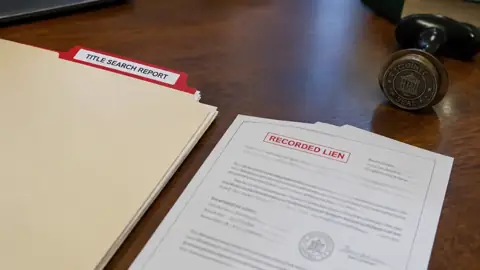
A federal tax lien is the government's legal claim against your property when you neglect or fail to pay a tax debt. The public notice, Form 668(Y), is filed with the county or state.
The IRS explanation of the federal tax lien says the lien attaches to all of your property, including real estate. A title company will treat a filed Notice of Federal Tax Lien like any other recorded lien and will not insure the buyer until it is paid or discharged. Our glossary entry on the tax lien covers the term, and our general lien guide compares lien types.
Step 1: get the lien details and balance
Begin with the actual notice and a current balance. The title report shows the filing; the IRS confirms the amount.
Gather the filed notice, each tax period listed, and an up-to-date payoff. You can request a payoff through the IRS phone line or your online account, and the amount will include penalties and interest that keep accruing. If there are several notices for different years, list each one; the title company must clear all of them.
Step 2: choose payoff, discharge or subordination
The IRS offers different tools for different goals. Sellers usually need either a payoff or a discharge.
The IRS page describes three relief tools:
- Discharge removes the lien from a specific property, such as the house you are selling.
- Subordination lets another creditor move ahead of the IRS, which helps with a refinance rather than a sale.
- Withdrawal removes the public notice, but the tax is still owed.
These rest on 26 U.S.C. 6325, which authorizes the IRS to release liens and issue certificates of discharge.
When a full payoff works
If your equity covers the tax debt plus the mortgage and closing costs, the title company can simply pay the IRS from proceeds and obtain a release. This is the most common path.
When a discharge is needed
If equity is short, the IRS may discharge the house in exchange for the net proceeds, or even for nothing when the IRS interest has no value because senior debts consume the price. The IRS reviews whether the sale price is fair.
Step 3: apply on Form 14135 with time to spare
Discharge is a paperwork process with a firm lead time. Late applications are the main reason these closings slip.
Publication 783 explains how to apply, and the application itself is Form 14135. The publication asks you to submit at least 45 days before the sale or settlement meeting. Typical attachments include:
- The purchase contract and a proposed closing statement.
- A current title report listing all liens.
- An appraisal or other evidence that the price is fair.
- Payoff letters for senior liens such as the mortgage.
The IRS may ask for proceeds to be held in escrow until the certificate issues. Your title company will usually know the routine.
The public notice, Form 668(Y), is filed with the county or state.
Worked example: a discharge with short equity
These numbers are an example only, not a SilverCrest Estates case. A self-employed seller owes $62,000 in back taxes. The house sells for $280,000, the mortgage payoff is $214,000 and other closing costs are about $16,000.
Selling a house with an IRS tax lien: discharge path
- 1
Get the lien details
Form 668(Y) and balance.
- 2
Pick a route
Payoff, discharge or subordination.
- 3
Apply on Form 14135
45+ days before closing.
- 4
Close and record
Certificate goes to title.

Ask for discharge early.
About $50,000 remains after the mortgage and costs, which is short of the $62,000 tax debt. The seller files Form 14135 with an appraisal 50 days before closing. In this example, the IRS issues a certificate of discharge in exchange for the $50,000, the house closes, and the remaining balance stays a personal tax debt to resolve separately.
State tax liens and other claims
A federal lien is not the only tax lien that can show up. State revenue departments file their own.
State income tax liens follow state procedures, and unpaid property taxes are a separate county lien with their own sale deadlines. Our guide to selling when behind on property taxes covers the county side. A court judgment lien may also appear on the same title report.
Tax reporting after the sale
Clearing the lien does not end the tax story. The sale itself may be reported to the IRS.
The closing agent may issue Form 1099-S. Our 1099-S reporting checklist explains the form and the home sale exclusion. Keep the discharge certificate with your tax records.
Common mistakes that delay closing
Most IRS lien delays come from timing and missing documents, not from the IRS refusing to cooperate. A short checklist avoids them.
- Applying too late. Filing Form 14135 two weeks before closing almost guarantees a delay. Count back at least 45 days from the settlement date.
- Leaving out the appraisal. The IRS needs evidence that the price is fair. An appraisal or a broker opinion with comparable sales helps.
- Missing a second notice. Separate notices for different tax years each need to be paid or covered by the discharge.
- Forgetting state liens. A state revenue lien needs its own payoff or release.
- Assuming withdrawal solves it. A withdrawal removes the public notice but leaves the debt, and title may still want a payoff.
Ask the title company to review the IRS notice and your discharge package before you send it. Experienced closers have seen what the IRS asks for and can point out gaps quickly.
When a cash sale may not be your best option
An IRS lien does not require a cash sale. If you have plenty of equity and time, a listing may produce a higher price that pays more of the tax debt.
A cash buyer helps when the house needs work, the IRS deadline matters, or you need a firm date for the discharge application. Compare cash offers and listing before deciding.
Key takeaways
- A filed federal tax lien must be paid or discharged before title insures the buyer.
- Discharge removes the lien from the house; withdrawal only removes the notice.
- File Form 14135 at least 45 days before closing.
- Expect the IRS to review the price and claim the net proceeds.
- Check for state tax and property tax liens too.
The bottom line
Order the payoff early and file for discharge with time to spare if equity is short. Visit the liens and judgments hub for related guides, or request a written cash offer to use in your application; SilverCrest Estates can close in as little as 21 days when title is ready.
Frequently asked questions
Can you sell a house with an IRS lien on it?
Yes. You can pay the lien from sale proceeds, or ask the IRS for a certificate of discharge that releases the house from the lien, often in exchange for the net proceeds when there is not enough equity to pay in full.
How long does an IRS lien discharge take?
IRS Publication 783 asks applicants to submit Form 14135 at least 45 days before the sale or settlement meeting so the request can be processed in time.
What is the difference between discharge and withdrawal?
A discharge removes the lien from a specific property. A withdrawal removes the public Notice of Federal Tax Lien, but you still owe the tax.
Sources & further reading
Primary sources we consulted for this article. Rules vary by state and change over time — always confirm against the original source.
- 1Understanding a federal tax lien
Internal Revenue Service
Explains discharge, subordination and withdrawal.
- 2
- 3
- 4

About the author
Sarah Williams
Senior Real Estate Analyst
Sarah Williams works with the SilverCrest Estates acquisitions team, helping homeowners across 50+ US markets understand their options and close on their own timeline.
Disclaimer: This article is for general information only and is not legal, tax, or financial advice. Real estate rules vary by state and change over time. Consult a licensed attorney, tax professional, or financial advisor about your specific situation before acting.