Start here: this article is part of our selling your home collection. For the full picture, read our complete guide, How to Sell Your House Fast: The Complete Homeowner's Guide.
Quick answer: Selling a house with Chinese drywall starts with confirming it is really problem drywall. Federal guidance looks for blackened copper and drywall installed from 2001 to 2009, then lab-backed evidence. Get that proof, price the full remediation in writing, and compare it with a written as-is offer from SilverCrest Estates. Check four things: corrosion, install date, lab tests and net proceeds.
| Step | What to confirm |
|---|---|
| Corrosion | Blackened copper wiring or AC coils |
| Install date | Drywall installed 2001 to 2009 |
| Lab tests | Sulfur, copper sulfide or gas emissions |
| Compare | Remediation quote versus as-is offer |
Selling a house with Chinese drywall: what counts as problem drywall
"Chinese drywall" is the everyday name for what federal agencies call problem drywall. It gives off sulfur gases that corrode copper and other metals in the home.
The U.S. Consumer Product Safety Commission's Drywall Information Center reports about 4,051 reports from residents in 44 states, the District of Columbia, American Samoa and Puerto Rico. Homeowners describe corrosion or blackening of metal in electrical fixtures, appliances, plumbing and air conditioner coils. Most reported homes were built in 2006 to 2007, during a construction surge after the 2004 and 2005 hurricanes.
The CPSC is careful on one point: not all drywall made in China is problem drywall. A stamp on the back of a panel is a clue, not a diagnosis.
How can I tell if my home has problem drywall?
The CPSC's identification guidance uses a two-step test. Both steps matter, because other problems can look similar.
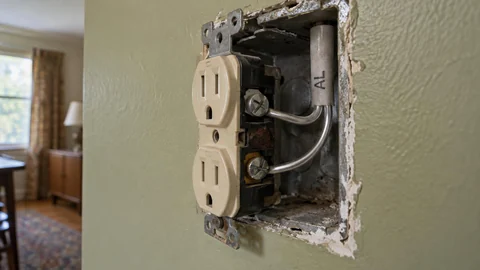
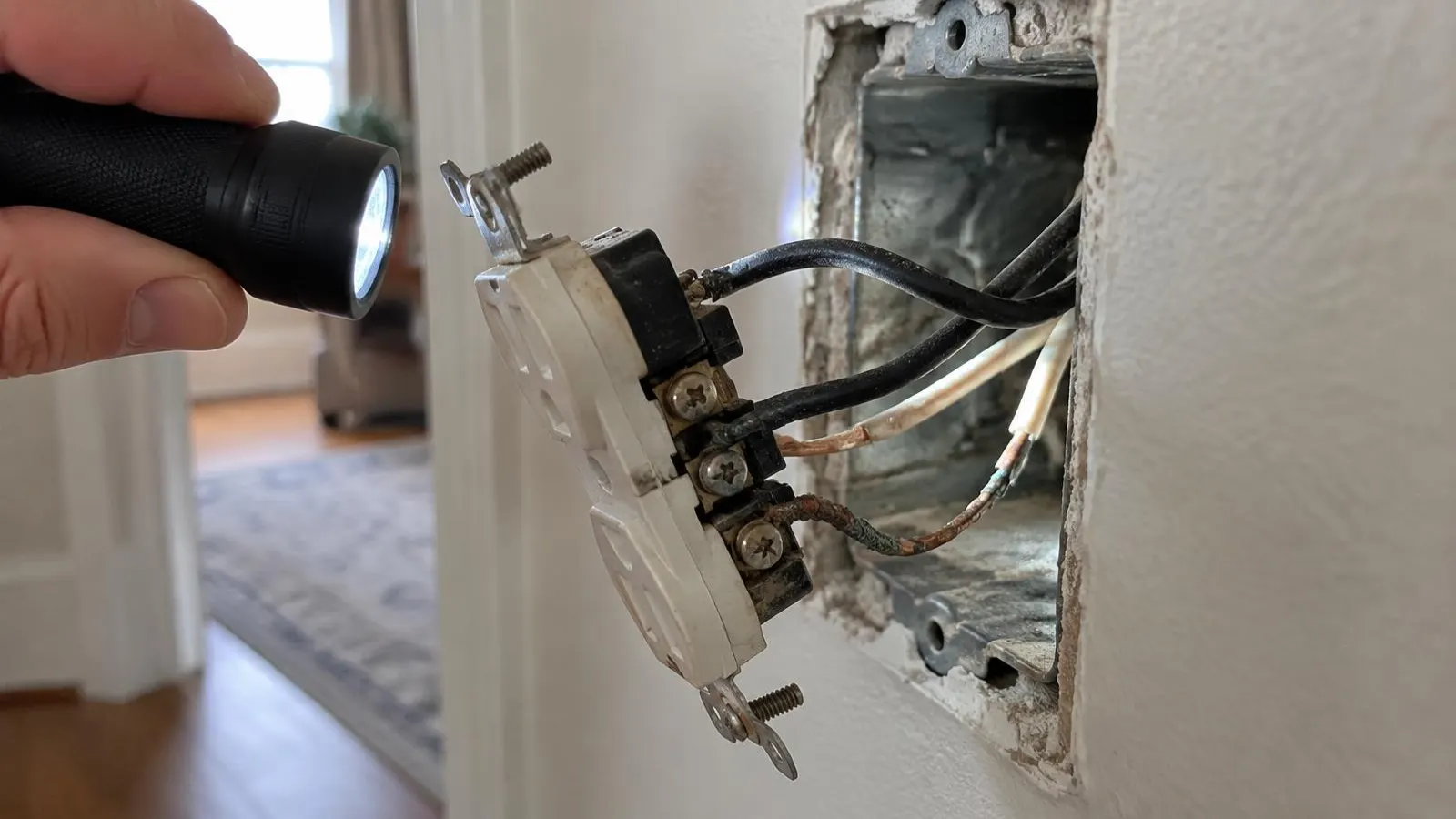
Step one is a visual inspection showing both blackened copper electrical wiring or air conditioning evaporator coils, and drywall installed between 2001 and 2009.
Step two is corroborating evidence. For drywall installed from 2005 to 2009, the guidance asks for at least two of the items below. For installs from 2001 to 2004, it asks for at least four.
- Elemental sulfur in the drywall core (outside lab test)
- Copper sulfide on test coupons, ground wires or AC coils (outside lab test)
- Chinese markings on the drywall
- Elevated sulfide gas emissions from the drywall (outside lab test)
- Corrosion caused by the drywall in test chambers (outside lab test)
Hire an inspector who follows this protocol and gives you the photos, lab reports and a written conclusion. A buyer will trust a lab-backed report far more than a contractor's opinion.
Is blackened wiring always Chinese drywall?
No. The CPSC notes there are many reasons a home could show similar symptoms. Moisture, nearby sewer gas or other sources of sulfur can tarnish copper too, which is why the lab steps exist.
Gather the house's records
Buyers want this home's history, not general news stories. Pull together what you already have.
Find the year the house was built or the year of any major drywall work, such as an addition or repairs after a storm. Collect AC coil replacement invoices, electrician visits for failing outlets, and appliance repair records. If you were part of a manufacturer settlement, a builder repair program or an insurance claim, keep the paperwork that shows what was done and when. Our aluminum wiring guide covers a separate electrical issue buyers sometimes confuse with this one.
Price the full remediation in writing
Federal remediation guidance is broad, so quotes tend to be large. Price it from a written scope that matches the guidance.
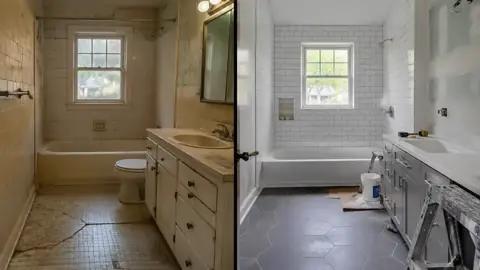
The CPSC and HUD Remediation Guidance (March 15, 2013) calls for replacing all possible problem drywall; smoke alarms and carbon monoxide alarms; electrical distribution components, including receptacles, switches and circuit breakers, but not necessarily wiring; and fusible-type fire sprinkler heads. It also says gas service piping should be inspected and pressure-tested, and that all work should follow building codes and safety rules.
Ask each contractor to confirm their scope covers every item in that guidance, plus permits, disposal, and the cost to rebuild trim, cabinets and finishes removed during the work. A quote that only swaps a few panels is not comparable to one that follows the federal approach. Ask whether they provide a written clearance or completion statement a buyer can review.
Most reported homes were built in 2006 to 2007, during a construction surge after the 2004 and 2005 hurricanes.
Decision tree: remediate, credit or sell as-is
Each option should end in a written net number. Compare those numbers side by side.
Problem drywall: proof before price
- 1
Corrosion
Blackened copper or AC coils.
- 2
Install date
Drywall from 2001 to 2009.
- 3
Lab tests
Sulfur or copper sulfide.
- 4
Compare
Net proceeds per option.
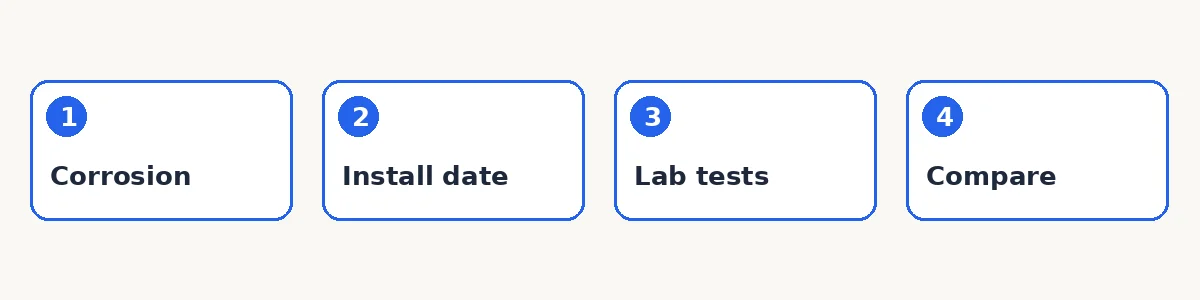
Confirm the diagnosis first; the remediation scope follows from it.
- Lab tests rule it out: keep the report and share it with buyers.
- Confirmed, already remediated: gather the completion records and permits.
- Confirmed, not remediated: compare a full written quote with a written as-is offer.
- Buyer asks for a credit: compare the credit with the full quoted scope, not a partial one.
Worked example: remediation versus an as-is sale
These figures are labeled examples, not typical prices or SilverCrest results. Replace every number with your own quotes and offers.
Suppose a remediated home could list at $380,000 with $24,000 in selling costs, after an $82,000 written remediation quote that follows the federal guidance, plus $9,000 in carrying costs while the family lives elsewhere during the work. The example net is $265,000 before mortgage payoff. An as-is offer of $268,000 with $3,000 in seller costs leaves $265,000.
In this example the paths end even, so the decision comes down to time, cash for the work and how long you can live elsewhere. The closing-cost calculator helps organize your numbers.
Disclose with the lab reports attached
Tell the truth on your seller disclosure form and attach the inspection, lab reports and any remediation records. Let buyers draw their own conclusions from the documents.
Avoid phrases such as "no drywall issues" unless testing supports them. If remediation was done, give buyers the scope and completion paperwork so they can see it covered the items in the federal guidance. Our guide to required disclosures when selling a house explains the general rules.
Many reported homes are in Florida. The Florida sell page and the Cape Coral page have local context.
When a cash sale may not be your best option
If lab tests rule out problem drywall, you may simply have a corrosion repair and a normal listing ahead of you. Do not take a steep discount based on a rumor.
If your written figures show a remediated home nets clearly more after carrying costs, and you can live elsewhere during the work, that is a fair choice. Compare cash offers with listing and see sell as-is or fix up first. Ask any as-is buyer to explain how the drywall affected their number.
Key takeaways
- Look for blackened copper and a 2001 to 2009 install date.
- Confirm with the lab-backed corroborating evidence.
- Not all drywall made in China is problem drywall.
- Price remediation from a scope that matches the federal guidance.
- Compare written net proceeds for remediation and as-is paths.
The bottom line
Problem drywall calls for proof first, then price. Request a cash offer to compare an as-is option, or browse the structural and mold hub. SilverCrest Estates can close in as little as 21 days when title allows; choose a later date when you need more time.
Frequently asked questions
Can you sell a house with Chinese drywall?
Yes. Confirm it with the CPSC two-step identification test, disclose what you know with the lab reports attached, and compare a full remediation quote with a written as-is offer.
How can I tell if my home has problem drywall?
CPSC guidance requires blackened copper wiring or AC coils plus drywall installed between 2001 and 2009, then lab-backed corroborating evidence such as elemental sulfur in the core or copper sulfide on ground wires.
What does Chinese drywall remediation include?
The CPSC and HUD guidance calls for replacing all possible problem drywall, smoke and carbon monoxide alarms, electrical distribution components such as outlets, switches and breakers, and fusible fire sprinkler heads, with gas piping inspected and pressure-tested.
Sources & further reading
Primary sources we consulted for this article. Rules vary by state and change over time — always confirm against the original source.
- 1Drywall Information Center
U.S. Consumer Product Safety Commission
About 4,051 reports from 44 states and territories; most homes built in 2006 to 2007.
- 2How Can I Tell If My Home Has Problem Drywall?
U.S. Consumer Product Safety Commission
The two-step visual and corroborating-evidence identification test.
- 3Remediation Guidance for Homes with Corrosion from Problem Drywall
U.S. Consumer Product Safety Commission and HUD
Items to replace and gas piping testing (March 15, 2013).

About the author
Emily Roberts
Property Acquisition Specialist
Emily Roberts works with the SilverCrest Estates acquisitions team, helping homeowners across 50+ US markets understand their options and close on their own timeline.
Disclaimer: This article is for general information only and is not legal, tax, or financial advice. Real estate rules vary by state and change over time. Consult a licensed attorney, tax professional, or financial advisor about your specific situation before acting.