Start here: this article is part of our selling your home collection. For the full picture, read our complete guide, How to Sell Your House Fast: The Complete Homeowner's Guide.
Life moves fast, and sometimes, your house needs to move even faster. Whether you're dealing with a sudden job relocation, an unexpected inheritance, financial strain, or a property that's become a burden, needing to sell your house quickly is a common and understandable situation.
The good news is that you have options beyond the traditional real estate market. This guide will walk you through the various paths to a fast home sale, helping you understand the pros and cons of each so you can make the best decision for your unique circumstances.
Why Speed Matters: Common Reasons for a Fast Sale
People seek a fast home sale for a wide range of reasons, often driven by time-sensitive or challenging life events. Understanding these motivations can help you see which option best fits your urgency.
Financial Pressures
One of the most common reasons homeowners need to sell quickly is financial strain. This could involve falling behind on mortgage payments, facing foreclosure, or needing to liquidate assets for other pressing financial needs. In these situations, every day counts, and a lengthy traditional sale process can worsen the problem.
Relocation and Life Changes
Job transfers, new career opportunities, or military deployments often require a rapid move to a new city or state. Waiting months for a house to sell can create a logistical and financial nightmare, potentially leaving you with two mortgage payments or delayed plans. Similarly, significant life changes like marriage, the growth of a family, or an empty nest might prompt a desire for a quick property change.
Inherited Property
Dealing with an inherited property can be complex, especially if you live far away, the house needs significant repairs, or there are multiple heirs involved. Selling quickly can simplify the probate process, reduce ongoing costs like taxes and maintenance, and allow beneficiaries to receive their share faster. Learn more about selling an inherited property at /blog/how-to-sell-house-in-probate.
Divorce
During a divorce, selling the marital home often becomes a priority to divide assets cleanly and move forward. The emotional and financial stress of a prolonged sale can add to an already difficult situation, making speed and certainty highly desirable.
Problematic Properties
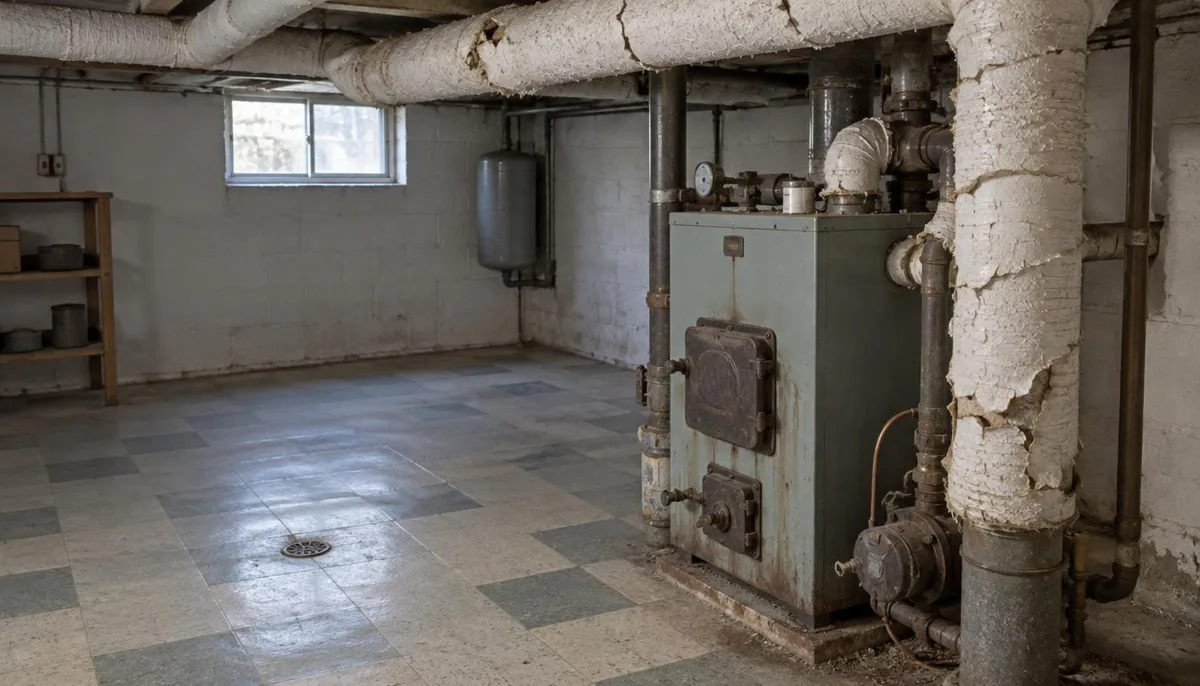
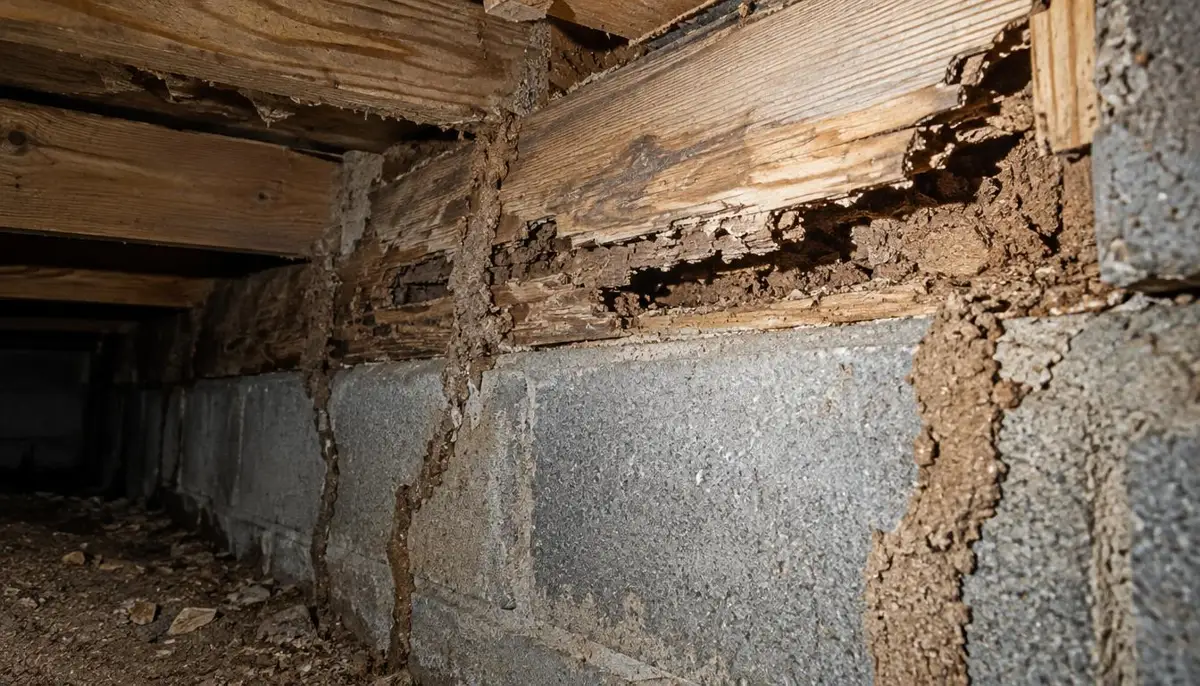
Some homes are simply a burden. This could be due to extensive damage, a need for major repairs, undesirable tenants, or code violations. For properties that are difficult to sell on the open market or require substantial investment to make them market-ready, a fast, as-is sale can be a huge relief.
Your Options for Selling a House Quickly
When speed is the priority, you generally have a few distinct paths to consider, each with its own advantages and disadvantages.
1. Selling to a Cash Buyer (Like SilverCrest Estates)
Selling to a company that buys houses directly for cash is often the fastest and most straightforward route. We specialize in buying homes in as-is condition, meaning you don't need to worry about repairs, cleaning, or staging.
How it works:
- Contact us: You reach out with details about your property.
- Property review: We assess your home, often with a quick visit.
- Cash offer: You receive a fair, no-obligation cash offer, usually within 24-48 hours.
- Fast closing: If you accept, we can close in as little as 21 days, or on a timeline that works for you.
Pros:
- Speed: Closings can happen in days or weeks, not months.
- Convenience: No repairs, renovations, or cleaning needed. Sell your house exactly as it is.
- Certainty: Cash offers mean no financing contingencies, reducing the risk of a deal falling through.
- No commissions or fees: You avoid real estate agent commissions and often many traditional closing costs.
Cons:
- Offer price: Cash offers are typically lower than what you might get on the open market, as they factor in the convenience, speed, and the buyer's cost to repair and resell the home.
This option is ideal for sellers who prioritize speed and convenience over maximizing the sale price, especially for properties needing significant work or in challenging situations. Discover more about our process at /how-it-works.
2. Listing with a Real Estate Agent (Expedited)
While traditional, selling with a real estate agent can be faster if you approach it strategically. This means pricing your home aggressively, making minor repairs, and having it ready for immediate showings.
How it works:
- Agent selection: Choose an experienced local agent.
- Prepare your home: Clean, declutter, make necessary repairs, and potentially stage the home.
- Aggressive pricing: Price your home competitively, sometimes slightly below market value to attract immediate interest.
- Marketing: Agent markets the home, schedules showings.
- Offers and closing: Negotiate with buyers; closing typically takes 30-60 days after an offer is accepted.
Pros:
- Potentially higher sale price: If you price correctly and the market is strong, you might achieve a higher price than a cash offer.
- Professional guidance: An agent handles marketing, negotiations, and paperwork.
Cons:
- Timeframe uncertainty: Even with aggressive pricing, there's no guarantee of how quickly an offer will come or how long closing will take.
- Costs: You'll pay agent commissions (typically 5-6%), potential repair costs, staging fees, and closing costs.
- Inconvenience: Showings, open houses, and the need to keep your home pristine can be disruptive.
- Buyer contingencies: Traditional buyers often have financing, inspection, and appraisal contingencies, which can delay or derail a sale.
This path is best if you want to maximize your profit and have some flexibility on time, are willing to invest in repairs, and can handle the disruptions of showings. Consider if you really need an agent at /blog/do-i-need-a-real-estate-agent-to-sell-my-house.
3. Selling at Auction
Real estate auctions can provide a fixed sale date and a sense of urgency for buyers, potentially leading to a faster sale, especially for unique or distressed properties.
How it works:
- Auction company selection: Hire a reputable real estate auction company.
- Marketing: The company markets your property to potential bidders.
- Auction day: Buyers bid on your property; the highest bid wins, often with a non-refundable deposit.
- Closing: Closing typically occurs within 30-45 days.
Pros:
- Defined timeline: A specific auction date creates urgency.
- As-is potential: Many auctions sell properties as-is, reducing your repair burden.
- Competitive bidding: Can sometimes drive up the price, especially if the property is unique.
Cons:
- Fees: Auction companies charge significant fees, often similar to or higher than real estate commissions.
- No guarantee of price: The final sale price is determined by the bidders on auction day and might be lower than expected, especially if buyer turnout is low.
- No guarantee of sale: If the reserve price (minimum acceptable price) isn't met, the property might not sell.
Auctions are usually considered for properties that are hard to price, distressed, or if a very specific sale date is paramount. They carry more risk regarding the final sale price.
Let's consider an illustrative example for a house with an estimated open market value of $300,000, needing $20,000 in repairs.
Understanding the Costs and Trade-offs
When selling your home fast, it's crucial to understand the financial implications of each option. The trade-off is often between speed/convenience and the net profit from the sale.
Let's consider an illustrative example for a house with an estimated open market value of $300,000, needing $20,000 in repairs.
Net proceeds: list vs. cash
Is a cash sale right for your situation?
Selling fast for cash means deciding what matters most. It isn't about the highest price you might reach after months of work; it's about a sale that is certain, quick and simple. A direct cash sale is likely the right choice if you:
- Need to move quickly: your timeline can't slip.
- Want to skip repairs: you don't have the time, money or interest to fix up the house.
- Value certainty: you need a sale that won't fall through over financing or an appraisal.
- Are carrying holding costs: mortgage, taxes and insurance keep adding up while you wait.
- Prefer privacy: you'd rather avoid showings and a public listing.
How to get a fast cash offer for your house
- Share your property details. A short online form or a quick call covers the basics.
- Review a no-obligation offer. You see the price up front, with no commissions taken out.
- Close on your schedule. Pick a date as soon as 21 days out, or later if you need more time.
When a cash sale may not be your best option
If your home shows well, your timeline is flexible, and getting top dollar matters more than speed or convenience, a traditional listing is often the better choice. Sellers in strong markets with updated homes usually do best on the open market. A direct sale to SilverCrest Estates fits when you value a set closing date, no showings, and no repairs more than squeezing out the last few thousand dollars. See the trade-offs side by side on our cash vs. listing comparison.
Frequently asked questions
How quickly can I actually sell my house?
With a direct cash buyer you can close in as little as 21 days, or on a later date you choose. A traditional listing usually takes longer because the buyer's lender needs an appraisal, inspections and underwriting before closing.
Will I lose money selling my house fast for cash?
A cash offer is usually below the top price a fully repaired, well-marketed home might reach. But you skip agent commissions, repairs, staging and months of mortgage, tax and utility payments, so compare net proceeds, not headline prices.
Do I need to make repairs or clean my house before a cash sale?
No. A direct cash buyer purchases the home as-is, so you don't have to repair, clean or stage it. You still have to make any disclosures your state requires, such as known defects or lead paint in homes built before 1978.
What situations are best for a fast cash sale?
A fast cash sale fits best when time or certainty matters more than squeezing out the last dollar: a job relocation, divorce, an inherited house, a tired landlord, a pending foreclosure, or a home that needs major repairs you can't fund.
Sources & further reading
Primary sources we consulted for this article. Rules vary by state and change over time — always confirm against the original source.
- 1
- 2Find a HUD-approved housing counselor
U.S. Department of Housing and Urban Development
Free or low-cost counseling before a major housing decision.
- 3Publication 523, Selling Your Home
Internal Revenue Service
Official rules for the home-sale gain exclusion and basis.

About the author
Marcus Johnson
Seller Solutions Director
Marcus Johnson works with the SilverCrest Estates acquisitions team, helping homeowners across 50+ US markets understand their options and close on their own timeline.
Disclaimer: This article is for general information only and is not legal, tax, or financial advice. Real estate rules vary by state and change over time. Consult a licensed attorney, tax professional, or financial advisor about your specific situation before acting.