Start here: this article is part of our selling your home collection. For the full picture, read our complete guide, How to Sell Your House Fast: The Complete Homeowner's Guide.
Quick answer: Selling a house with galvanized pipes is legal and common in homes built before about 1960. Find out whether the pipes are only inside the house or also in the service line, check your water utility's service line inventory, get a written repipe quote, and compare it with a written as-is offer from SilverCrest Estates. Four checks matter most: location, inventory status, water test and net proceeds.
| Check | What to confirm |
|---|---|
| Location | Interior pipes, service line or both |
| Inventory | Utility label: lead, GRR, non-lead or unknown |
| Water test | Lead result from a certified lab |
| Compare | Repipe quote versus as-is offer |
Selling a house with galvanized pipes: what buyers worry about
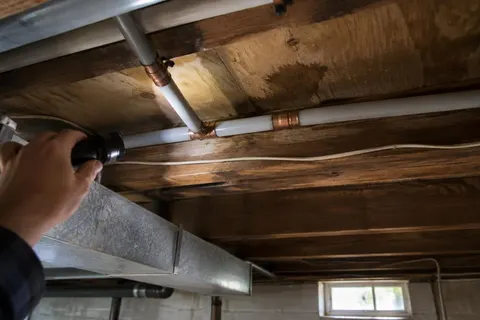
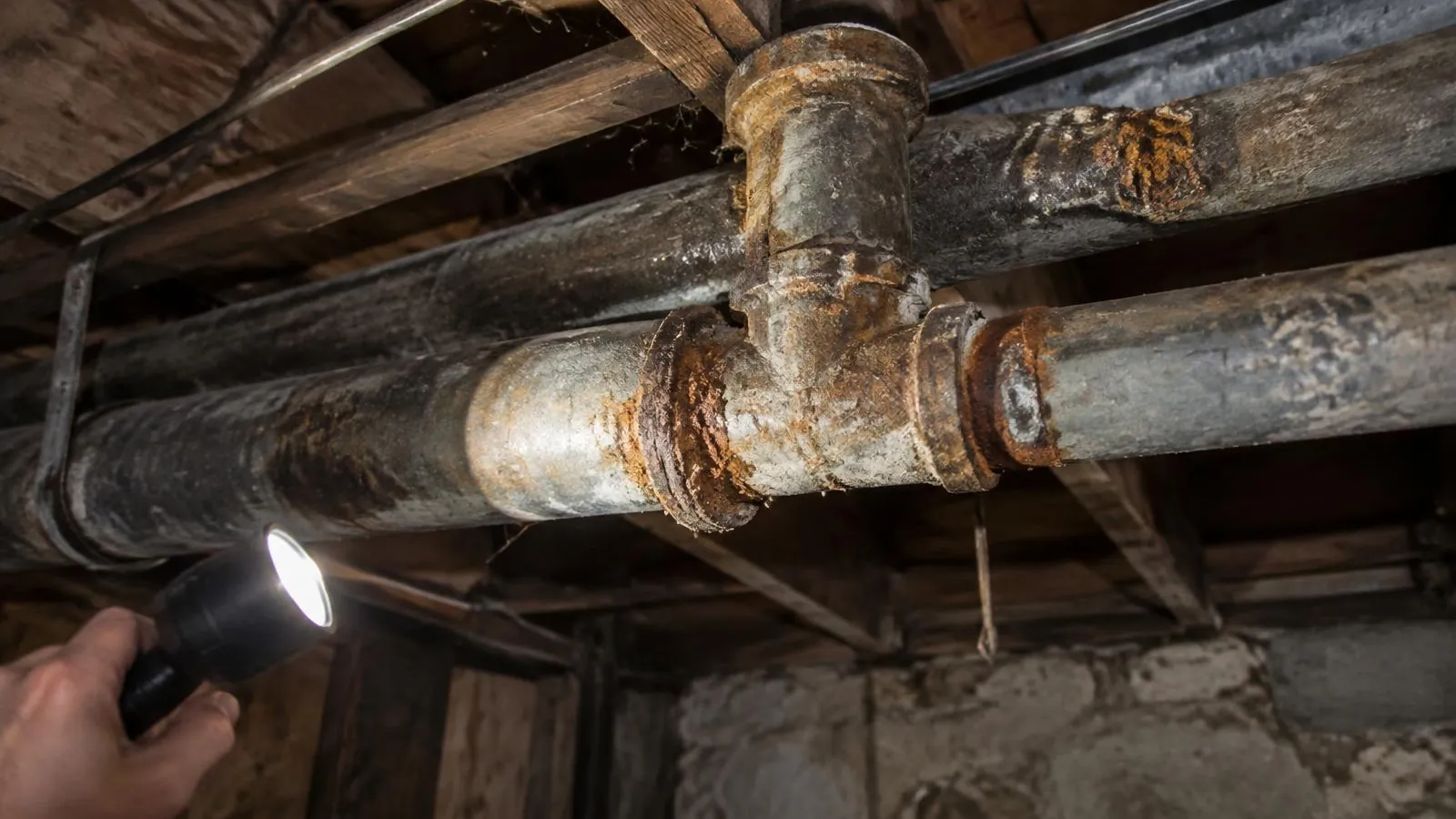
Galvanized pipe is steel or iron pipe dipped in zinc to slow rust. Buyers and inspectors flag it because it corrodes from the inside over decades, which narrows the pipe and lowers water pressure.
The inside of an old galvanized pipe can look like a clogged artery. Rust builds up, pressure drops at upper floors, and water can run brown after the house sits unused. An inspector who sees gray threaded pipe at the water heater or under a sink will usually write it up as near or past the end of its expected life.
The bigger question for many buyers is lead. Galvanized pipe itself is not lead pipe, but it can collect lead released by lead pipes or fittings upstream of it, then release that lead later. That is why federal rules now treat some galvanized service lines differently from others.
Is it bad to buy a house with galvanized pipes?
It is not automatically bad, but buyers usually price in a repipe.
Interior pipes versus the service line
The service line is the pipe from the water main to your house. Interior plumbing is everything after the meter or the point where the line enters the home. The difference decides who has rules and records about it.
The U.S. Environmental Protection Agency's service line inventory fact sheet (October 2024) defines a galvanized service line as iron or steel pipe dipped in zinc. It defines a "galvanized requiring replacement" (GRR) service line as one that is now or ever was downstream of a lead service line, or is now downstream of a line whose lead status is unknown. If the water system cannot show the galvanized line was never downstream of lead, it counts as GRR.
Under the Lead and Copper Rule Improvements, the EPA's lead service line replacement page says water systems must replace lead and GRR service lines under their control within 10 years, and states can require an earlier deadline.
Interior galvanized pipe is not covered by that replacement program. It is a private repair decision, which is why buyers focus on it at inspection.
Check your utility's service line inventory
Water systems keep a public inventory that labels each service line. Look up your address before you list.
Most utilities post the inventory as a searchable map or list. Your address will show one of four labels: lead, galvanized requiring replacement, non-lead, or lead status unknown. If the label is GRR or lead, ask the utility whether your street is on its replacement schedule and whether the work is free to the owner; programs vary by city.
If the label is "unknown", ask how the utility will classify it; many accept photos of the pipe where it enters the house.
Test the water before you list
A lab result gives buyers a fact instead of a guess. Use a lab certified by your state for drinking water.
The EPA's basic information about lead in drinking water explains that the most common sources of lead in drinking water are lead pipes, faucets and fixtures, and that corrosion is worse with acidic or low-mineral water. It also notes that the Safe Drinking Water Act now caps "lead-free" plumbing at a weighted average of 0.25 percent lead on wetted surfaces.
Follow the lab's sampling instructions exactly, usually a first-draw sample after the water has sat for several hours. Keep the report with your other records. If a result shows lead, contact your water utility first; they can explain next steps and any replacement program for the service line.
Gather the plumbing records
Buyers want this house's history. A short packet answers most questions before they are asked.
Collect any partial repipe invoices, the water heater install date, leak repair receipts and photos of the main shutoff where the line enters the house. If you replaced polybutylene or other problem pipe in the past, include that too. Our polybutylene pipes guide covers that separate issue.
It also notes that the Safe Drinking Water Act now caps "lead-free" plumbing at a weighted average of 0.25 percent lead on wetted surfaces.
Decision tree: repipe, credit or sell as-is
Each path should end in a written net number. Compare those numbers side by side.
Galvanized pipes: facts before price
- 1
Location
Interior, service line or both.
- 2
Inventory
Utility label for your address.
- 3
Water test
Certified lab lead result.
- 4
Compare
Net proceeds per option.

Know where the galvanized pipe is before anyone prices the fix.
- Service line only, labeled GRR: ask the utility about its replacement schedule and share the answer with buyers.
- Interior pipe, no leaks yet: get two written repipe quotes and decide whether to repipe or offer a credit.
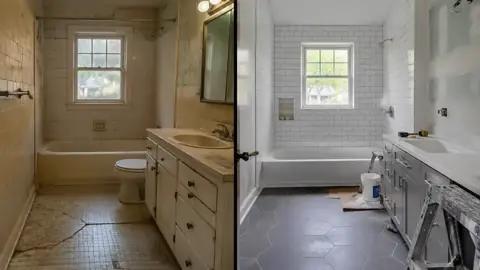
- Active leaks or water damage: compare a full repipe plus drywall repair with a written as-is offer.
- Buyer asks for a credit: compare it with your written quotes, not a guess.
Worked example: repipe versus an as-is sale
These figures are labeled examples, not typical prices or SilverCrest results. Replace every number with your own quotes and offers.
Suppose a repiped home could list at $310,000 with $20,000 in selling costs, after a $14,000 written repipe quote, $3,500 in drywall patching and paint, and $4,500 in carrying costs while the work and listing run. The example net is $268,000 before mortgage payoff. An as-is offer of $272,000 with $3,000 in seller costs leaves $269,000.
In this example the paths end close, so time, cash on hand and your tolerance for open walls decide it. The closing-cost calculator helps organize your numbers.
Disclose what you know
Describe the pipe material and where it is, and attach your records. Plain facts protect you better than vague wording.
Write down which rooms still have galvanized pipe, any past leaks, the utility inventory label and the water test result on your seller disclosure form. Avoid phrases like "plumbing updated" if only part of the house was repiped. Our guide to required disclosures when selling a house explains the general rules. Older Midwest homes often have it; see the Ohio sell page. How home inspections affect a sale covers what to expect when the buyer's inspector reaches the basement.
When a cash sale may not be your best option
If the galvanized pipe is limited to one short run, or the service line is already scheduled for free utility replacement, you may only need a modest repair and a normal listing.
If your written figures show a repiped home nets clearly more after carrying costs, and you can handle a week or two of open walls, listing is a fair choice. Compare cash offers with listing and see sell as-is or fix up first. Ask any as-is buyer to explain how the plumbing affected their number.
Key takeaways
- Find out whether galvanized pipe is inside, in the service line or both.
- Look up your address in the utility's service line inventory.
- A GRR label means the utility must plan to replace that line.
- Test the water with a certified lab and keep the report.
- Compare written net proceeds for repipe, credit and as-is paths.
The bottom line
Galvanized pipes call for location and records first, then price. Request a cash offer to compare an as-is option, or browse the foundation, roof and mold hub. SilverCrest Estates can close in as little as 21 days when title allows; choose a later date when you need more time.
Frequently asked questions
Can you sell a house with galvanized pipes?
Yes. Find out whether the galvanized pipe is inside the house, in the service line or both, check the utility's service line inventory, test the water, and compare a written repipe quote with a written as-is offer.
What does galvanized requiring replacement mean?
Under EPA's Lead and Copper Rule Improvements, it is a galvanized service line that is or ever was downstream of a lead service line, or is downstream of a line with unknown lead status. Water systems must replace these lines under their control within 10 years.
Is it bad to buy a house with galvanized pipes?
It is not automatically bad, but buyers usually price in a repipe because old galvanized pipe corrodes from the inside, lowers water pressure and can collect lead released from upstream lead pipe.
Sources & further reading
Primary sources we consulted for this article. Rules vary by state and change over time — always confirm against the original source.
- 1Final LCRI Fact Sheet: Service Line Inventory and Replacement Requirements
U.S. Environmental Protection Agency
Definitions of galvanized and galvanized requiring replacement (GRR) service lines (October 2024).
- 2Planning and Conducting Lead Service Line Replacement
U.S. Environmental Protection Agency
Water systems must replace lead and GRR service lines under their control within 10 years.
- 3Basic Information about Lead in Drinking Water
U.S. Environmental Protection Agency
Common lead sources and the 0.25 percent lead-free plumbing limit.

About the author
Michael Thompson
Home Selling Expert
Michael Thompson works with the SilverCrest Estates acquisitions team, helping homeowners across 50+ US markets understand their options and close on their own timeline.
Disclaimer: This article is for general information only and is not legal, tax, or financial advice. Real estate rules vary by state and change over time. Consult a licensed attorney, tax professional, or financial advisor about your specific situation before acting.