Start here: this article is part of our selling your home collection. For the full picture, read our complete guide, How to Sell Your House Fast: The Complete Homeowner's Guide.
Quick answer: Yes, you can sell a house with lead paint. Federal law requires disclosure, not removal. For a home built before 1978, give the buyer the federal lead pamphlet, disclose known lead-based paint and any reports, attach the Lead Warning Statement, and allow a 10-day inspection opportunity unless waived. SilverCrest Estates buys pre-1978 homes as-is.
- Confirm the year built; the federal rule covers most housing built before 1978.
- Gather any lead inspection or risk assessment reports you already have.
- Complete the disclosure before the buyer is bound by the contract, then keep it for 3 years.
General education, not legal advice. Federal, state and local lead rules are flagged for attorney review.
Can you sell a house with lead paint?
Yes. Lead-based paint is common in older homes and does not stop a sale. The Residential Lead-Based Paint Hazard Reduction Act, codified at 42 U.S.C. 4852d, requires sellers of older housing to disclose what they know before a buyer is obligated under the contract. It does not require the seller to test for lead or remove it.
The detailed rules sit in the EPA's lead disclosure regulations at 40 CFR part 745, subpart F, with a matching HUD rule at 24 CFR part 35, subpart A.
Is it illegal to sell a house with lead paint?
No. What's prohibited is skipping the required disclosure. Under the statute, a person who knowingly violates it faces civil money penalties and can be liable to the buyer for three times the damages the buyer incurred, plus court costs and attorney fees if the buyer wins.
Does the federal lead rule apply to your house?
The rule covers "target housing": housing built before 1978, except housing for the elderly or persons with disabilities, and zero-bedroom dwellings such as studios, unless a child under 6 lives or is expected to live there. Sales at foreclosure are exempt.
Check the year built on your deed, the property tax record or original permits. If records conflict, treat the home as pre-1978 until you have proof otherwise; the disclosure costs nothing to complete.
| Requirement | What the seller does | When |
|---|---|---|
| Lead pamphlet | Give the buyer the EPA pamphlet Protect Your Family From Lead in Your Home | Before the buyer is bound by the contract |
| Known lead and reports | Disclose known lead-based paint or hazards and provide available reports | Before the buyer is bound |
| Lead Warning Statement | Attach the federal warning and disclosure form to the contract | In the contract |
| 10-day opportunity | Allow 10 days to inspect or assess, unless both agree on another period or the buyer waives in writing | Before the buyer is bound |
| Records | Keep the signed form | At least 3 years after closing |
The lead disclosure checklist for sellers
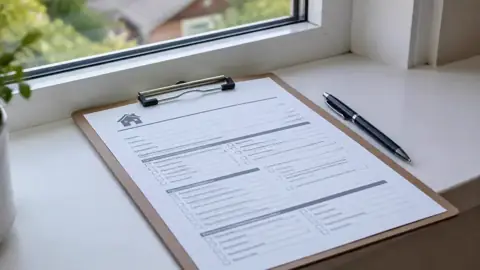
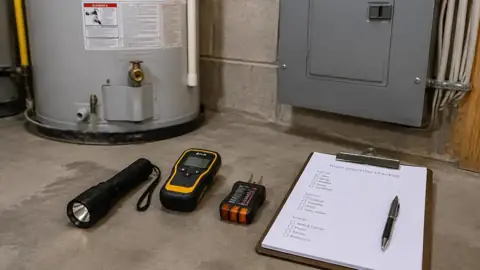
The disclosure is a short form, but each element has to be there. Agents handle it on listings; if you sell directly, you complete it with the buyer or the closing attorney or title company.
Selling a house with lead paint: disclosure sequence
- 1
Check the year
Built before 1978? Federal rules apply.
- 2
Gather records
Collect any reports you already have.
- 3
Sign the disclosure
Pamphlet, warning and buyer's 10 days.
- 4
Choose your path
Repair safely, credit or sell as-is.

Disclosure sequence for pre-1978 homes; state rules can add steps.
Under 40 CFR 745.110, the buyer gets a 10-day period to conduct a risk assessment or inspection, unless both parties agree in writing on a different period, and the buyer may waive it in writing. Under 40 CFR 745.113, the seller and any agent must keep a copy of the completed disclosure attachment for no less than 3 years from the completion date of the sale.
What if you don't know whether there is lead paint?
Say so on the form. The federal rule requires you to disclose what you know and hand over reports you have; it does not require you to test. If you have old inspection reports, lead letters or a renovator's test results, they count as available records and must be provided.
The Residential Lead-Based Paint Hazard Reduction Act, codified at [42 U.S.C.
How lead paint affects buyers and financing
Buyers with young children often use the 10-day window. A lead inspection identifies lead-based paint surface by surface; a risk assessment looks for hazards such as deteriorated paint, dust and soil. Either can lead to a repair request or price negotiation.
Financed buyers face extra property standards. FHA guidance in HUD Handbook 4000.1 addresses defective paint on homes built before 1978, and lenders can require peeling or chipping paint to be corrected before closing. That can push repairs onto your schedule.
Cash buyers don't depend on lender property conditions, so they can buy with deteriorated paint documented and price the work instead.
Should you remove lead paint before selling?
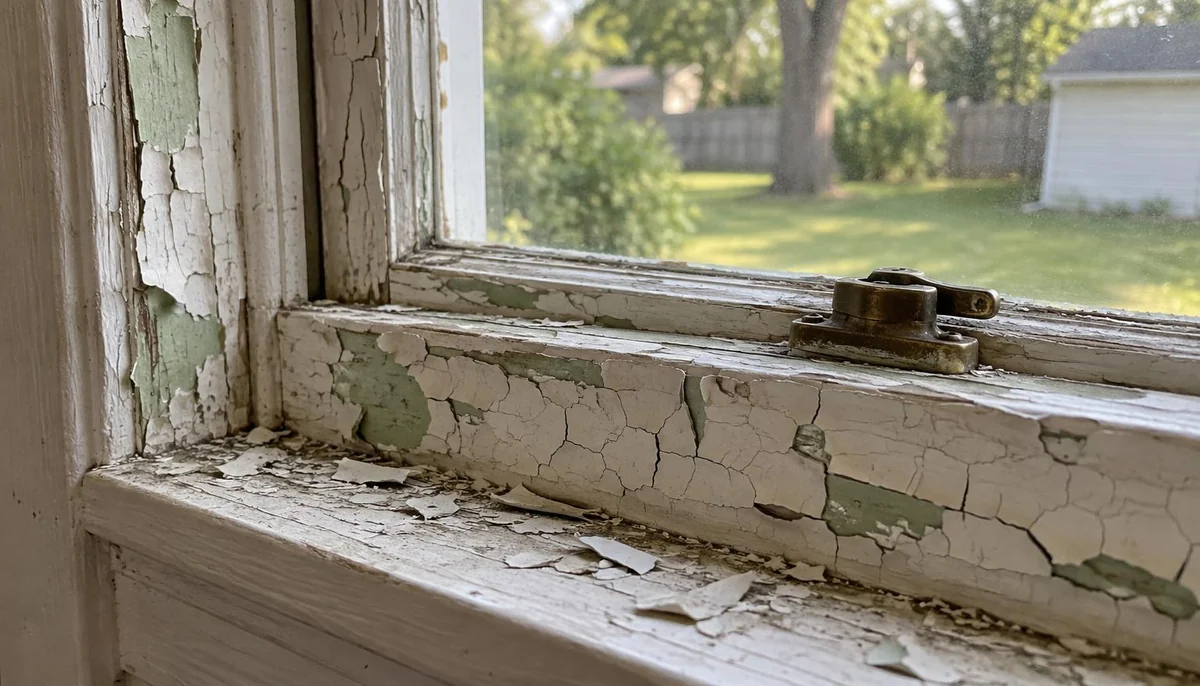
Usually not. Removal is not required for a sale, and full abatement is a specialized, costly job. What matters more is deteriorated paint: peeling, chipping or chalking surfaces, especially on windows, doors, porches and floors.
If you hire anyone to repair, repaint or renovate painted surfaces in a pre-1978 home, the EPA's Renovation, Repair and Painting rule generally requires the firm to be EPA-certified and follow lead-safe work practices. Don't dry-sand or power-wash old paint yourself; it can create the dust hazard you are trying to avoid. Our guide to what not to fix when selling a house helps decide which repairs pay back.
Worked example: stabilize, credit or sell as-is?
Illustrative numbers only. A 1950s house with peeling exterior trim would list at $255,000. Lead-safe paint stabilization by a certified firm costs $4,500, holding costs add $2,000, and 6% selling costs total $15,300. Net before mortgage payoff: $233,200.
Listing as-is with a $6,000 credit nets $233,700 on paper, but an FHA buyer's lender may still require the paint repaired before closing. An as-is cash offer of $228,000 with $1,200 in costs nets $226,800. Stabilizing or crediting wins by about $6,400 here; the trade-off is time, contractor scheduling and financing risk.
State and local lead rules can add requirements
Some states and cities layer their own rules on top of the federal disclosure. In Massachusetts, for example, sellers of pre-1978 homes give buyers the state's Property Transfer Lead Paint Notification before signing a purchase and sale agreement. The state Lead Law requires a pre-1978 home where a child under 6 will live to be deleaded or brought under interim control within 90 days of the new owner taking title. If you're selling in Massachusetts, see our Massachusetts page.
Check your state health department and city housing office before you list. Rental properties often have stricter local lead rules than owner-occupied homes; see our tired landlord page if tenants are involved.
Related older-home issues to check
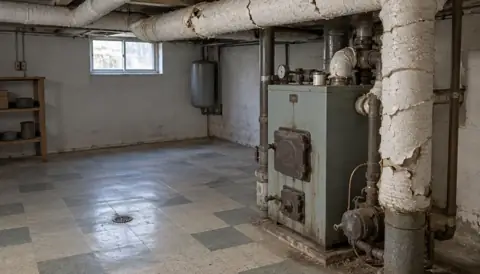
Homes old enough for lead paint can also have asbestos in pipe wrap, tile or ceiling texture. See selling a house with asbestos before any work disturbs old materials, and our property condition page for how we buy older homes. Our seller disclosure guide covers the rest of the seller disclosure packet.
When a cash sale may not be your best option
A cash sale is not always the better choice. If the paint is intact, there's no deterioration a lender would flag, and the home is otherwise move-in ready, listing with a complete disclosure may net more.
Consider listing when you have time and few condition issues. Compare written numbers using our cash offer vs listing guide.
SilverCrest Estates buys pre-1978 houses in as-is condition, with no paint repairs or testing required first, and still completes the federal disclosure. Close in as little as 21 days when title and transaction requirements allow. Request a no-obligation cash offer and compare it with your repair-and-list net.
Key takeaways
- Lead paint doesn't stop a sale; federal law requires disclosure, not removal.
- Pre-1978 sales need the pamphlet, known reports, the Lead Warning Statement and a 10-day opportunity.
- Keep the signed disclosure for at least 3 years; state rules can add steps.
- Use EPA-certified firms for paid work on old painted surfaces.
Frequently asked questions
Can you sell a house with lead paint?
Yes. Federal law requires disclosure, not removal. For a pre-1978 home, provide the lead pamphlet, disclose known lead and reports, attach the Lead Warning Statement and offer a 10-day inspection opportunity.
Is it illegal to sell a house with lead paint?
No. Skipping the required disclosure is the violation. A seller who knowingly violates the federal rule can face civil penalties and liability to the buyer for three times their damages.
Do I have to test for lead paint before selling?
No, the federal rule doesn't require seller testing. You must disclose what you know, provide reports you have, and give the buyer a 10-day opportunity to inspect unless they waive it in writing.
Sources & further reading
Primary sources we consulted for this article. Rules vary by state and change over time — always confirm against the original source.
- 142 U.S.C. 4852d, Disclosure of information concerning lead upon transfer of residential property
Legal Information Institute, Cornell Law School
Federal statute: seller disclosure duties and penalties.
- 240 CFR Part 745, Subpart F: Disclosure of Known Lead-Based Paint Hazards
Legal Information Institute, Cornell Law School
Target housing, the 10-day opportunity and 3-year record retention.
- 340 CFR Part 745, Subpart E: Residential Property Renovation
Legal Information Institute, Cornell Law School
Certification and lead-safe practices for paid renovation work.
- 4Single Family Housing Policy Handbook 4000.1
U.S. Department of Housing and Urban Development
FHA property requirements, including defective paint on older homes.
- 5Property Transfer Lead Paint Notification
Massachusetts Department of Public Health
Example of a state notification added to the federal disclosure.

About the author
Lisa Anderson
Homeowner Advocate
Lisa Anderson works with the SilverCrest Estates acquisitions team, helping homeowners across 50+ US markets understand their options and close on their own timeline.
Disclaimer: This article is for general information only and is not legal, tax, or financial advice. Real estate rules vary by state and change over time. Consult a licensed attorney, tax professional, or financial advisor about your specific situation before acting.