Start here: this article is part of our distressed sales collection. For the full picture, read our complete guide, Can You Sell a House With Foundation Problems? Your Complete Guide.
Selling a hoarder house is as much an emotional undertaking as a financial one — whether it's your own home, a parent's, or an inherited property. The good news: you have more options than you think, and you do not have to empty and renovate the house before you can sell it. Here's how to weigh cleanup against an as-is sale and choose the path that protects both your time and your proceeds.
Hoarder house: cleanout or as-is?
| Path | Cost to you | Time |
|---|---|---|
| Professional cleanout, then list | Often several thousand dollars+ | Weeks to months |
| Partial cleanout, sell as-is | Lower | Weeks |
| Direct cash sale, leave contents | None | As little as 21 days |
First, Assess the Real Condition
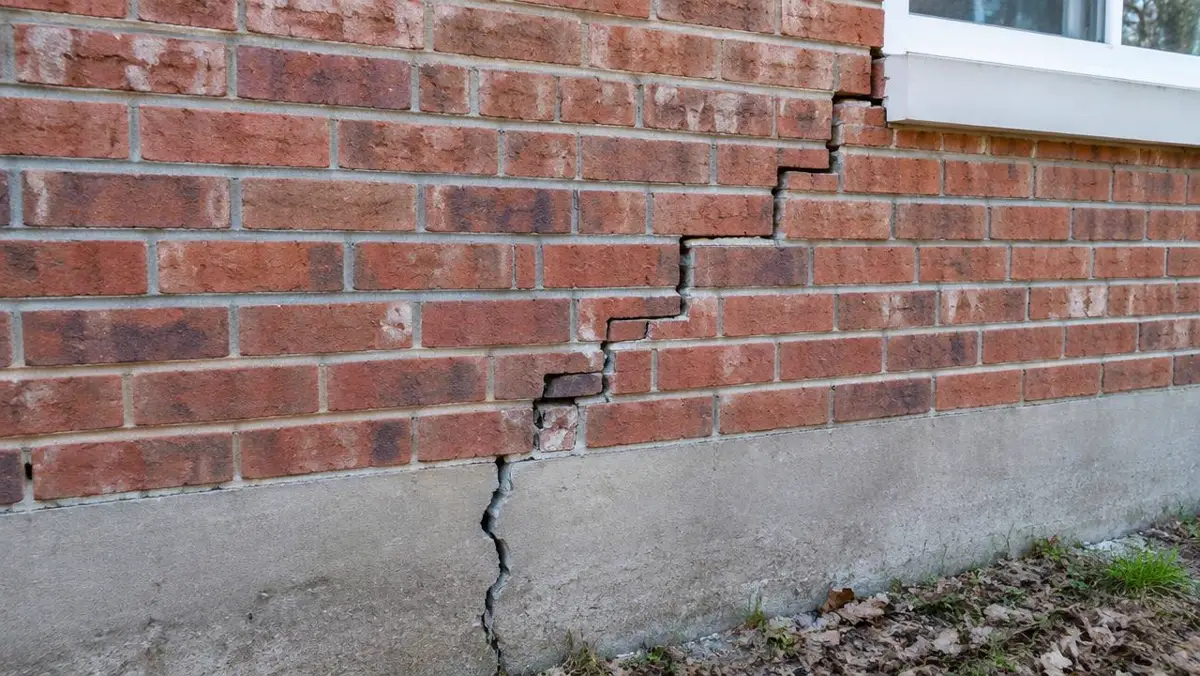
Hoarding damage ranges from "excess belongings, structurally fine" to "biohazard and hidden structural issues." Before deciding anything, determine:
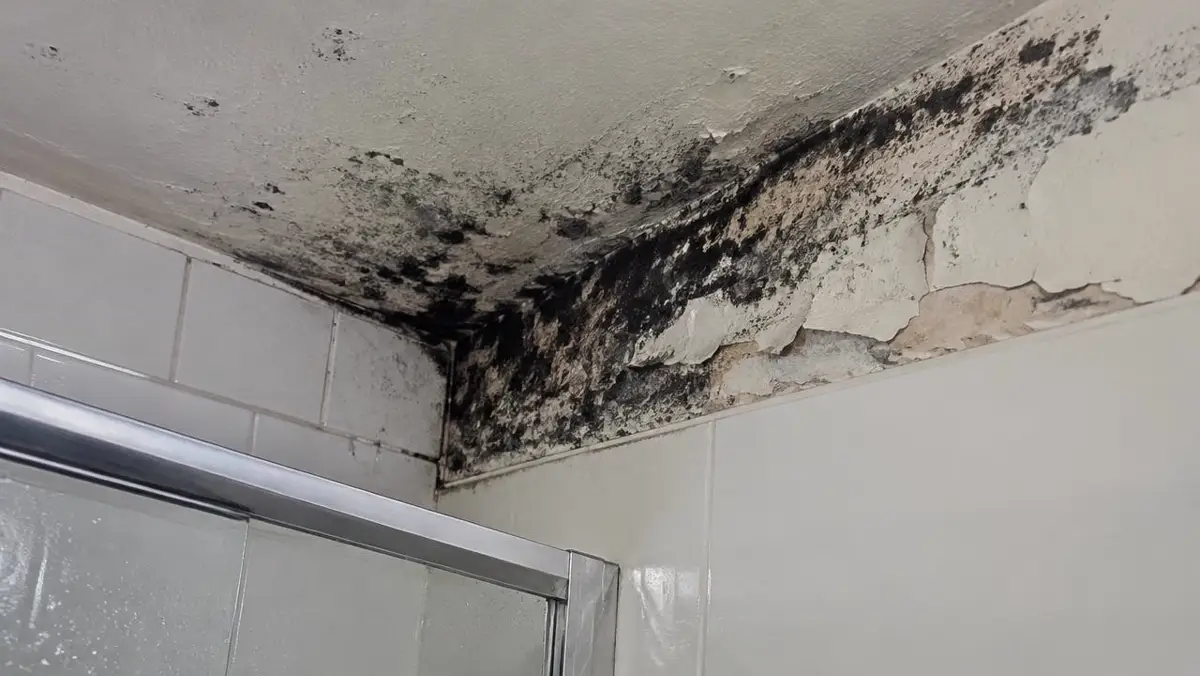
- Whether clutter is hiding water damage, pests, mold, or code violations
- Whether utilities and major systems still function
- Whether there are biohazards (rodent waste, spoiled food) requiring specialized remediation
This assessment drives every downstream decision, because it tells you what a buyer — or an appraiser — will actually find.
Option 1 — Sell As-Is to a Cash Buyer
The fastest, lowest-stress path is selling in as-is condition to an investor or direct buyer. You leave unwanted items behind, skip cleanup entirely, and close in days. This is ideal when:
- The cleanup feels overwhelming or you're managing from out of state
- The home needs repairs you can't fund up front
- You want to avoid neighbors and buyers walking through
You'll trade some sale price for that convenience — the buyer prices in cleanup and repair — but you avoid remediation bills that can run into five figures. See can I sell my house as-is without repairs.
Option 2 — Clean Out, Then List Traditionally
If the home is structurally sound and you have time, a professional cleanout plus a traditional listing can capture more value. Budget for:
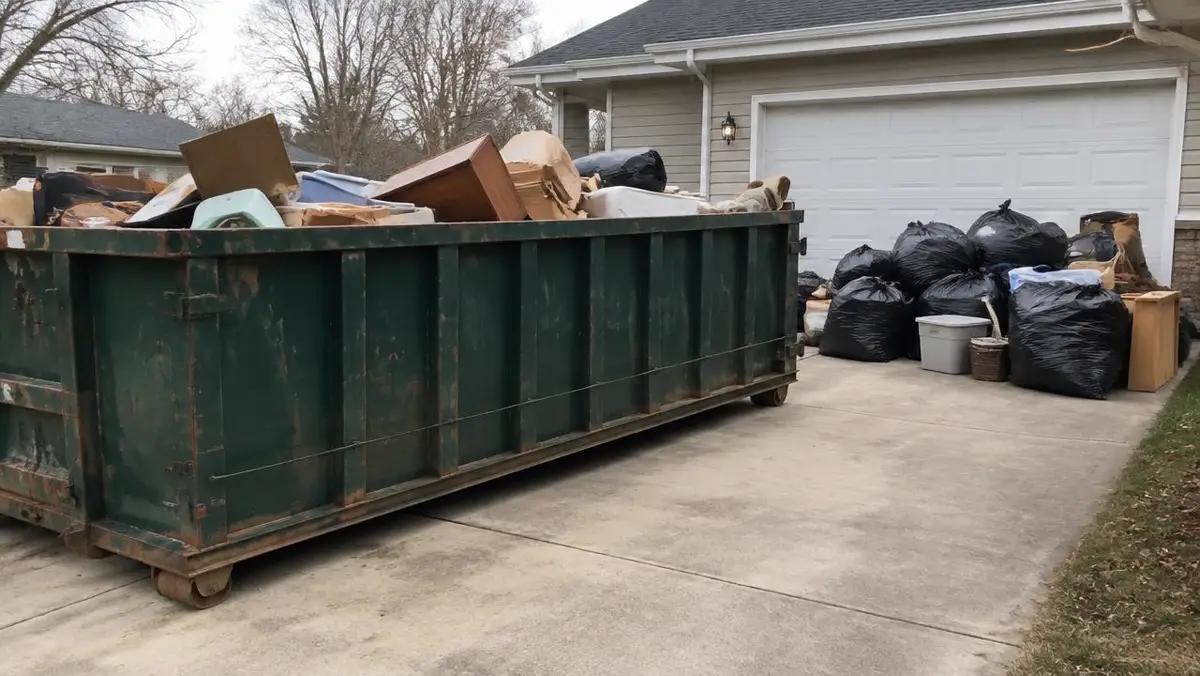
- Junk removal / cleanout crews: often $2,000–$8,000+ depending on volume
- Deep cleaning or remediation: varies widely with biohazard presence
- Cosmetic repairs to reach move-in condition
Get a written repair estimate before committing — if the total approaches what you'd give up selling as-is, the cleanup may not pay for itself.
Option 3 — Partial Cleanup, Middle-Ground Sale
Sometimes the sweet spot is removing the belongings (so buyers can see the house) without doing full repairs, then selling as-is to a wider pool. This can lift offers meaningfully with far less cost than a full renovation.
Selling a hoarder house is as much an emotional undertaking as a financial one — whether it's your own home, a parent's, or an inherited property.
Pricing a Hoarder House Realistically
Buyers and investors price from after-repair value minus cleanup and repair costs. Pull comparable sales for renovated homes in your area, then subtract realistic cleanout and repair figures. That's roughly where as-is offers will land. Overpricing based on the renovated number is the most common reason these homes sit.
Handling the Emotional Side
If you're clearing a loved one's home, give yourself time to retrieve documents, photos, and heirlooms before any cleanout. A reputable cash buyer will let you take what matters and leave the rest — you don't have to sort everything.
Disclosure and Legal Considerations
Even when selling as-is, you generally still have to disclose known material defects — as-is limits your obligation to repair, not your obligation to be honest. If hoarding conditions caused water damage, pest infestation, or mold, disclose what you know. Our guide to required seller disclosures explains what most states expect. A reputable direct buyer purchases with full knowledge of the condition, which removes most disclosure friction because there's no financed buyer or lender to satisfy.
Common Mistakes to Avoid
- Over-cleaning before an as-is sale. If you're selling to an investor who'll renovate anyway, spending weeks and dollars deep-cleaning rarely raises the offer.
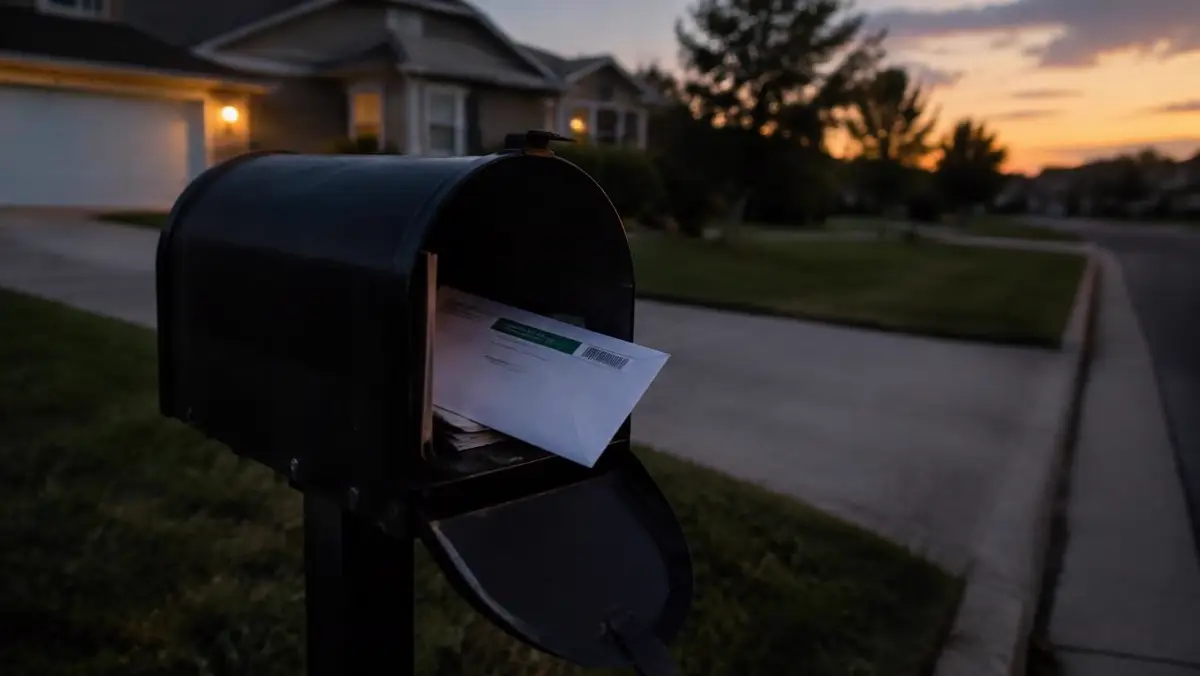
- Tossing documents and valuables. Unopened mail can hide deeds, insurance policies, or bonds. Sort papers and small valuables before any crew starts.
- Ignoring hidden liens or violations. Order a title search early so a surprise lien or open code violation doesn't derail closing.
- Pricing off the renovated number. As-is offers reflect condition; anchor to realistic figures or the home will sit.
Getting Help When It Feels Impossible
Hoarding situations are often tied to grief, aging, or mental health, and the house is only one part of what you're managing. You don't have to do it in one weekend. Prioritize safety and documents first, then choose the selling path that removes the most stress. For many families, a single as-is sale that requires zero cleanup is worth more than the extra dollars a full renovation might capture.
When a cash sale may not be your best option
If the repairs are small (paint, fixtures, a minor roof patch) and you have the cash and time to finish them, fixing up and listing can return more than the repair cost. That's also true when the house is in a neighborhood where updated homes sell quickly at a premium. A cash, as-is sale makes the most sense when repairs are large, uncertain, or you'd have to borrow for them. Compare an as-is cash offer with listing using real contractor bids — not guesses — before you decide.
Safety risks to address first
Hoarded homes can hide hazards: blocked exits, structural strain from weight, mold, pests, and biohazards. Don't let family, buyers, or volunteers work inside without proper protective equipment. A professional cleanout company experienced in hoarding situations can assess the risks and, if needed, separate important documents, valuables, and keepsakes before removal.
Finding important items
Before any cleanout, make a list of what you need to find: wills, deeds, bank statements, insurance policies, jewelry, photos. Professional crews will set these aside if you tell them in advance. If you're selling as-is to a direct buyer, you can walk through and remove what matters, and leave the rest.
Working with family members
Hoarding is often tied to grief, anxiety, or other health conditions, and the person who owned the home may still be living or closely connected to the family. Go slowly where you can. Involve them in deciding what to keep if they're able, and consider support from a therapist or a local hoarding task force; many counties have one through their health or aging services department. If the owner has died, agree among heirs who will make decisions on sorting and who will be the single contact for the buyer or cleanout crew.
Questions to ask a cleanout company
- Are you licensed, insured, and experienced specifically with hoarding cleanups?
- Do you handle biohazards, and how do you dispose of them?
- Will you set aside documents, cash, photos, and jewelry?
- Is your quote a fixed price or by the truckload?
- How long will it take, and do you need utilities on?
How a direct sale handles it
When you sell as-is to SilverCrest Estates, you don't have to clean out the home first. Take what matters to you, and we handle everything left behind after closing. The offer reflects the cleanout, so there's no surprise bill later.
What to do this week
Do a safe walkthrough with protective equipment and list the hazards you see. Call two cleanout companies with hoarding experience for quotes. Locate key documents if you can. Then compare the total cleanup and repair cost against an as-is offer. For many families, skipping the cleanup entirely is both faster and kinder.
Key points to remember
- Safety first: hoarded homes can hide structural and health hazards.
- Find important documents and keepsakes before any cleanout.
- Professional crews experienced in hoarding work faster and safer.
- Compare cleanout and repair costs against an as-is offer.
- Approach the process with patience for everyone involved.
The Bottom Line
If the property is sound and you have time and budget, cleaning out and listing may net the most. If it's overwhelming, distant, or damaged, an as-is cash sale ends the stress in a week with zero cleanup. SilverCrest Estates buys hoarder and distressed homes in any condition — take what you want, leave the rest, and close on your timeline.
Frequently asked questions
Can I sell a house that's uninhabitable?
Yes, but not to most retail buyers — conventional, FHA, and VA financing all require the property to meet minimum condition standards. That leaves cash purchasers, who price the rehab into the offer. Disclosure obligations still apply, and open code violations usually have to be resolved or credited at closing.
What happens to code violations or municipal liens?
They attach to the property and generally must be cleared before clean title can pass. A title search surfaces them, and they're typically paid from proceeds at closing. Ordering that search early matters, because unresolved violations are one of the most common reasons a distressed-property closing slips.
Does insurance still cover a vacant property?
Frequently not on standard terms. Most homeowner policies limit or exclude coverage once a home has been vacant beyond 30 to 60 days, which can leave you exposed to vandalism, water damage, and liability. If a sale is weeks away, ask your carrier about a vacancy endorsement rather than assuming you're covered.
Do I need to make repairs before selling?
Not for a direct sale — we buy as-is and price the condition into the offer. For a traditional listing it's a judgment call: cosmetic work like paint and landscaping usually returns more than it costs, while major systems (roof, foundation, sewer) rarely return their full cost and can take months to schedule. Run the numbers before you spend.
Sources & further reading
Primary sources we consulted for this article. Rules vary by state and change over time — always confirm against the original source.
- 1Flood risk and disaster resources
Federal Emergency Management Agency
Official flood-zone maps that affect insurability, disclosure, and property value.
- 2Property disaster preparedness and recovery
Ready.gov
Federal guidance on protecting and documenting a property before and after damage.
- 3Fair Housing Act protections
U.S. Department of Housing and Urban Development
The federal rules that govern how a property may be marketed, shown, and sold.

About the author
Michael Thompson
Home Selling Expert
Michael Thompson works with the SilverCrest Estates acquisitions team, helping homeowners across 50+ US markets understand their options and close on their own timeline.
Disclaimer: This article is for general information only and is not legal, tax, or financial advice. Real estate rules vary by state and change over time. Consult a licensed attorney, tax professional, or financial advisor about your specific situation before acting.